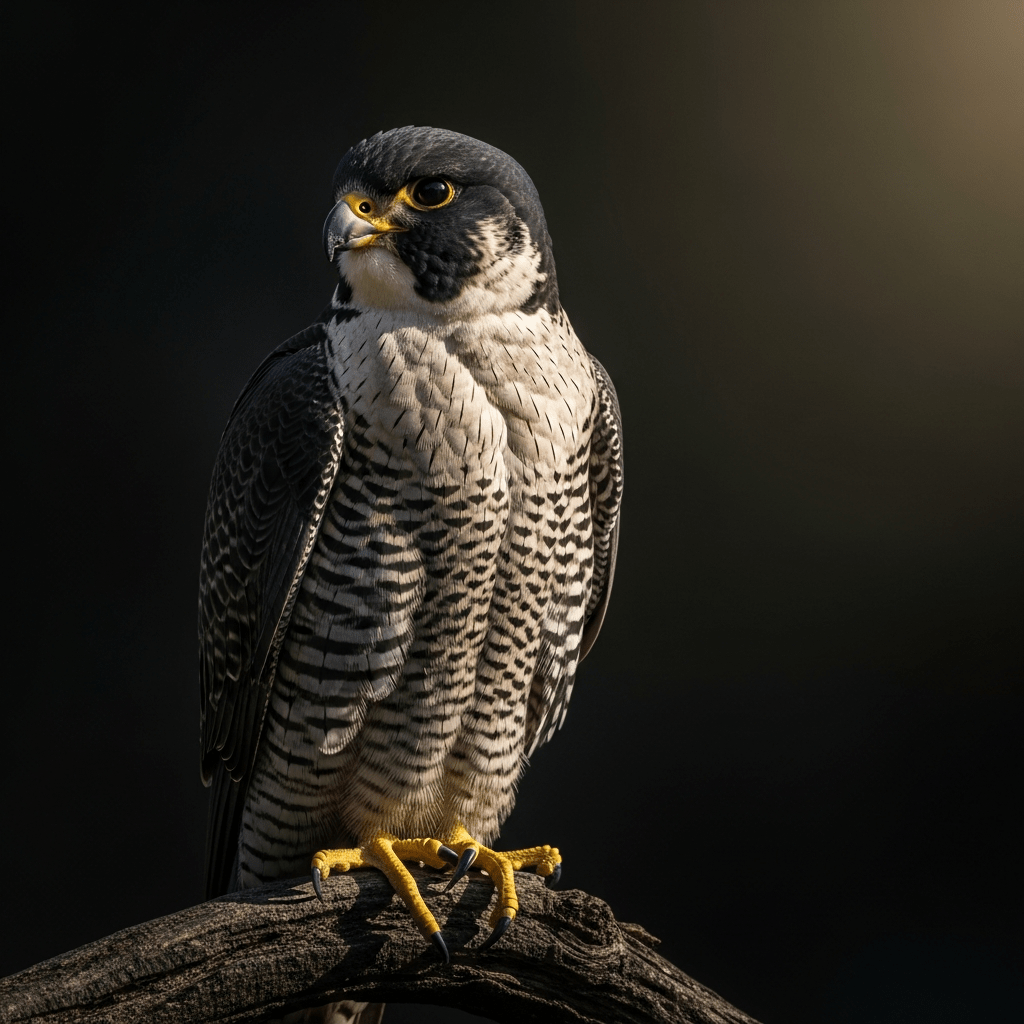
Peregrine Falcon
The Peregrine Falcon (Falco peregrinus) is a powerful, cosmopolitan raptor famed as the fastest animal on earth, reaching speeds over 320 km/h (200 mph) in its hunting dives.
The Peregrine Falcon (Falco peregrinus) is a powerful, cosmopolitan raptor famed as the fastest animal on earth, reaching speeds over 320 km/h (200 mph) in its hunting dives.
First described by Carl Linnaeus in 1758, the Peregrine Falcon’s lineage belongs to the genus Falco within the family Falconidae. Its wild origin is global, with no single place or breeder, and its evolutionary story is marked by adaptation to diverse habitats worldwide. Over time, at least 19 subspecies have emerged, each adapted to regional environments, reflecting the falcon’s remarkable dispersal and resilience.
The Peregrine Falcon is classified within the class Aves, order Falconiformes, family Falconidae, and genus Falco. As a member of the raptor group, it shares its family with other falcons, distinguished by keen eyesight, hooked beaks, and predatory prowess. Its binomial name, Falco peregrinus, is recognized by global ornithological authorities, with subspecies further refining its taxonomic placement across continents.
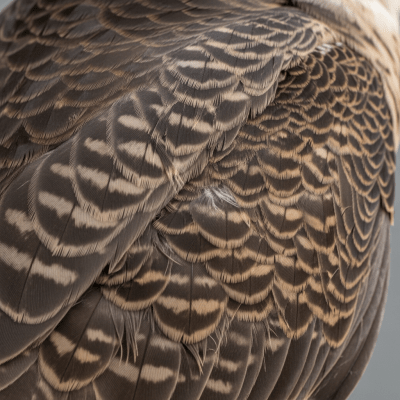
Peregrine Falcons are medium-to-large birds, measuring 34–58 cm in length with a wingspan of 74–120 cm. Their plumage is striking: adults have blue-gray upperparts, barred white and brown underparts, and a bold black ‘moustache’ mark on the face. Females are noticeably larger than males. Their build is muscular yet streamlined, with long, pointed wings and a short tail, perfectly engineered for high-speed flight and agile aerial maneuvers.
Renowned for their dramatic hunting style, Peregrine Falcons perform high-speed stoops to capture birds mid-air, making them apex aerial predators. They nest on cliffs, rocky ledges, and increasingly on tall urban structures, adapting readily to city life. While not used for food, they are highly valued in falconry traditions worldwide, especially in the Middle East, where their speed and intelligence are prized. Their presence in urban areas highlights their adaptability and ecological importance.
Bring this kind into your world � illustrated posters, mugs, and shirts.
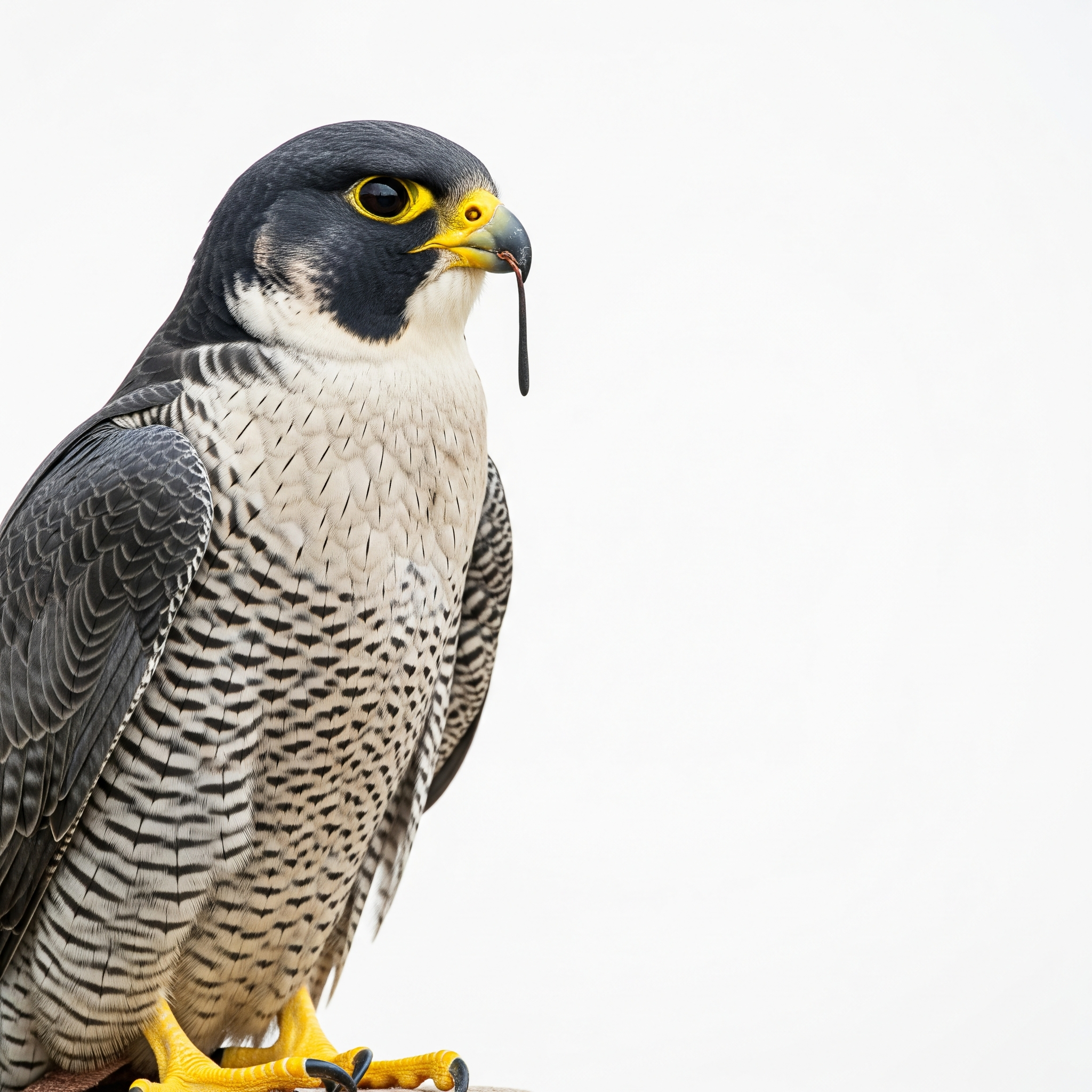
Archival print, museum-grade paper
Buy Poster
Stoneware mug, dishwasher safe
Buy Mug
Soft cotton tee, unisex sizes
Buy ShirtThe Peregrine Falcon holds a revered place in human culture, symbolizing speed, power, and precision. Its image appears in heraldry, literature, and art, often representing nobility and keen vision. In falconry, it is considered the ultimate hunting companion, and its recovery from near-extinction has made it a flagship species for conservation efforts, inspiring environmental awareness and urban wildlife appreciation.
Peregrine Falcons have a cosmopolitan distribution, inhabiting every continent except Antarctica. They favor open landscapes with cliffs or tall structures for nesting, but have increasingly colonized urban environments, nesting on skyscrapers and bridges. Subspecies are adapted to a wide range of habitats, from Arctic tundra to tropical coastlines, reflecting their extraordinary ecological versatility.
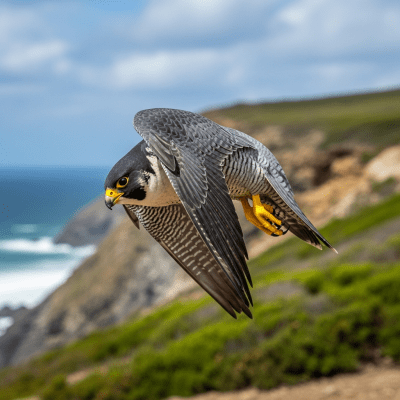
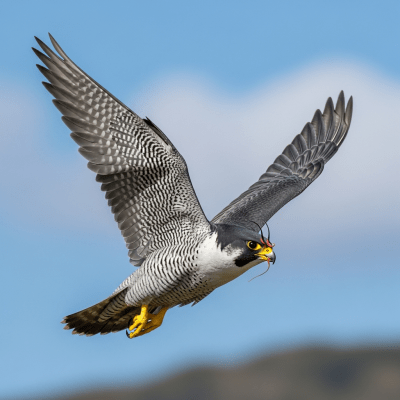
Peregrine Falcons primarily hunt other birds, capturing prey mid-flight with breathtaking speed and precision. Their diet includes pigeons, songbirds, shorebirds, and occasionally small mammals. Using their powerful talons and beaks, they dispatch prey swiftly, often consuming it on a perch or at the nest. Their hunting technique—high-altitude stoops—sets them apart as masters of aerial predation.
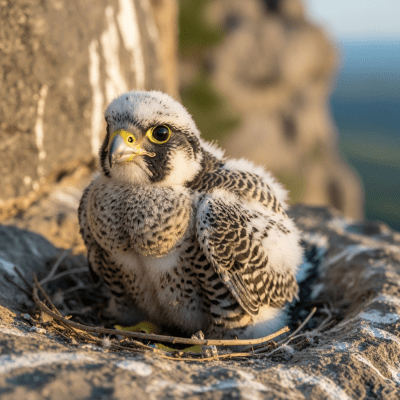
Peregrine Falcons typically breed once a year, laying clutches of 2–5 eggs on cliffs, ledges, or urban structures. Both parents share incubation and care for the chicks, which fledge at about 5–6 weeks old. Lifespan in the wild averages 13–15 years, though some individuals may live longer. Subspecies may vary in breeding season and nesting habits, but all display strong site fidelity and territoriality.
Once listed as endangered due to widespread pesticide use (notably DDT), Peregrine Falcon populations have rebounded following global conservation efforts. Today, they are considered of Least Concern by the IUCN, though local threats persist, including habitat loss, pollution, and human disturbance. Their recovery is a celebrated success in wildlife conservation.
Ecologically, Peregrine Falcons play a vital role as apex predators, helping regulate populations of medium-sized birds in their ecosystems. Their presence in urban areas contributes to pest control by reducing pigeon and starling numbers. Economically, they are significant in falconry, a tradition with deep cultural roots, but commercial exploitation is strictly regulated due to conservation concerns.
Peregrine Falcons are not domesticated in the traditional sense, but have a long history of partnership with humans through falconry. No formal breeds exist, but at least 19 subspecies are recognized, each adapted to specific regions. Captive breeding programs have played a crucial role in the species’ recovery, but wild traits remain dominant in all populations.
Common names for the Peregrine Falcon include "Duck Hawk" (North America) and regional variants in many languages. Historical synonyms include Falco communis. Subspecies names vary, such as F. p. anatum (North America), F. p. peregrinus (Eurasia), and F. p. tundrius (Arctic). Regional checklists may reflect local naming conventions and synonymies.