Mute Swan
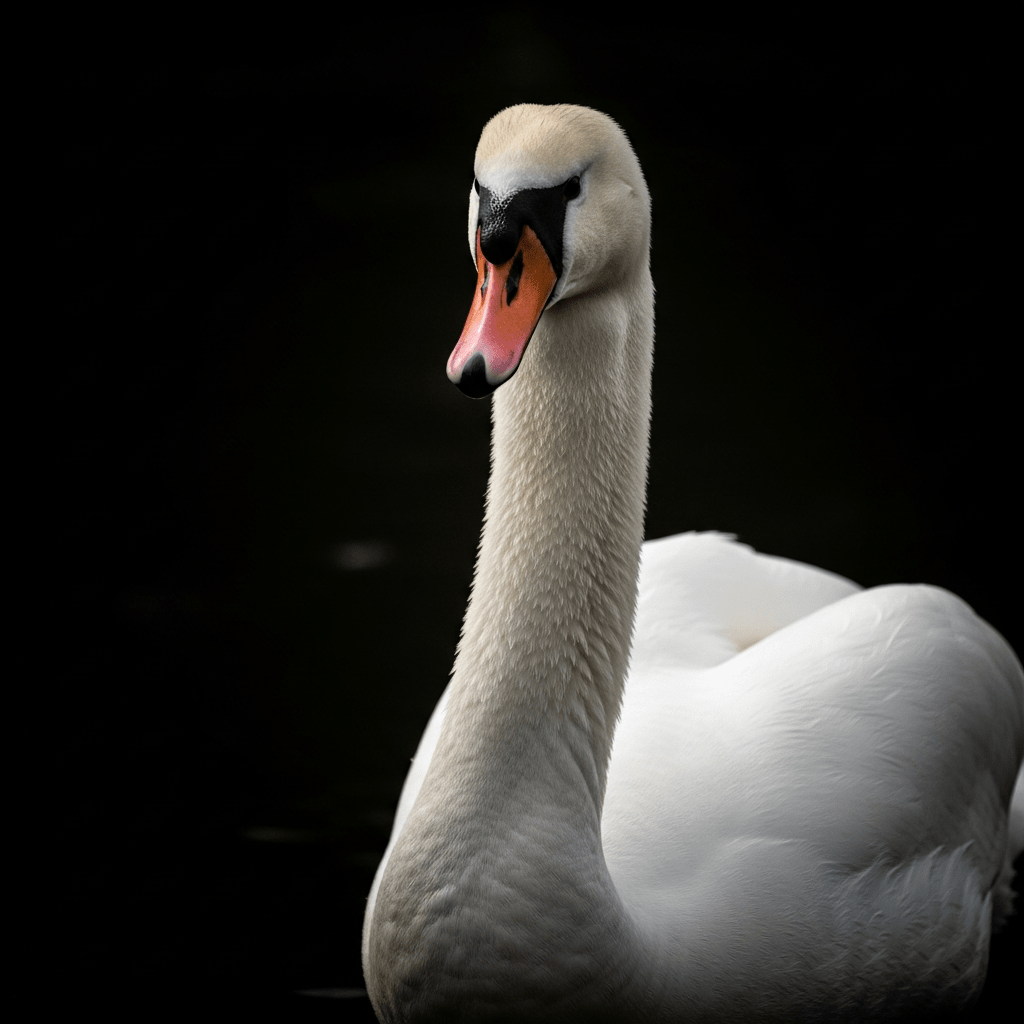
The Mute Swan (Cygnus olor) is a large, elegant waterfowl renowned for its pure white plumage, graceful silhouette, and distinctive orange bill with a black knob, making it one of the most recognizable swans worldwide.
The Mute Swan (Cygnus olor) is a large, elegant waterfowl renowned for its pure white plumage, graceful silhouette, and distinctive orange bill with a black knob, making it one of the most recognizable swans worldwide.
First formally described by Johann Friedrich Gmelin in 1789, the Mute Swan is native to much of Europe and Asia. Over centuries, it has been introduced to North America, Australasia, and other regions, primarily for ornamental and conservation purposes. Its history is deeply intertwined with European culture and aviculture, with no single breeder or institution credited for its discovery.
The Mute Swan belongs to the class Aves, order Anseriformes, family Anatidae, and genus Cygnus. It is part of a group of large aquatic birds known as swans, closely related to geese and ducks. The species is scientifically named Cygnus olor, and its classification reflects evolutionary relationships among waterfowl, with swans distinguished by their size, neck length, and aquatic habits.
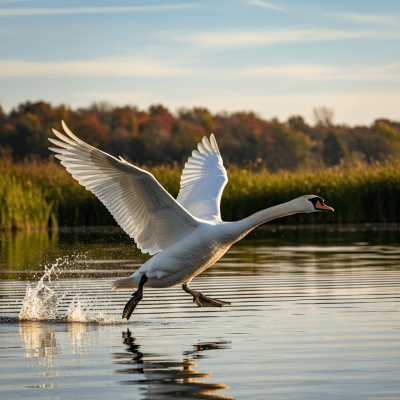
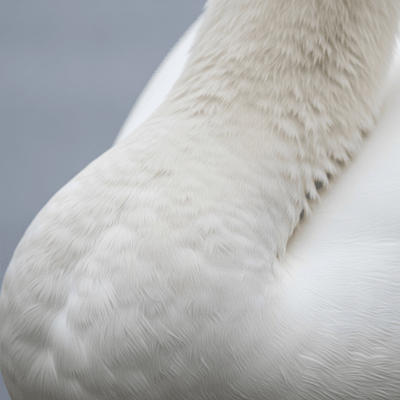
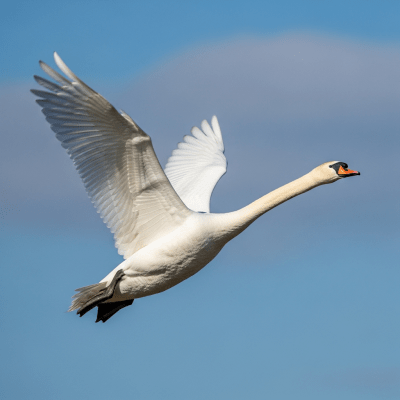
Adult Mute Swans are strikingly large, measuring between 125 and 170 cm in length and weighing 7–14 kg. Their plumage is a luminous white, complemented by a long, curved neck and an unmistakable orange bill topped with a prominent black basal knob. Juvenile swans, called cygnets, are covered in soft grayish-brown down. The bird’s regal posture and serene gliding make it a symbol of elegance in aquatic landscapes.
Mute Swans are known for their monogamous pair bonds and territorial nature, especially during the breeding season. They construct large nests near water and are generally silent, communicating mostly through subtle hissing or wing sounds rather than vocal calls. While their demeanor is graceful, they can be fiercely protective of their nests and young. Humans interact with Mute Swans primarily as ornamental species in parks and lakes, and they play an ecological role in wetland management.
Bring this kind into your world � illustrated posters, mugs, and shirts.
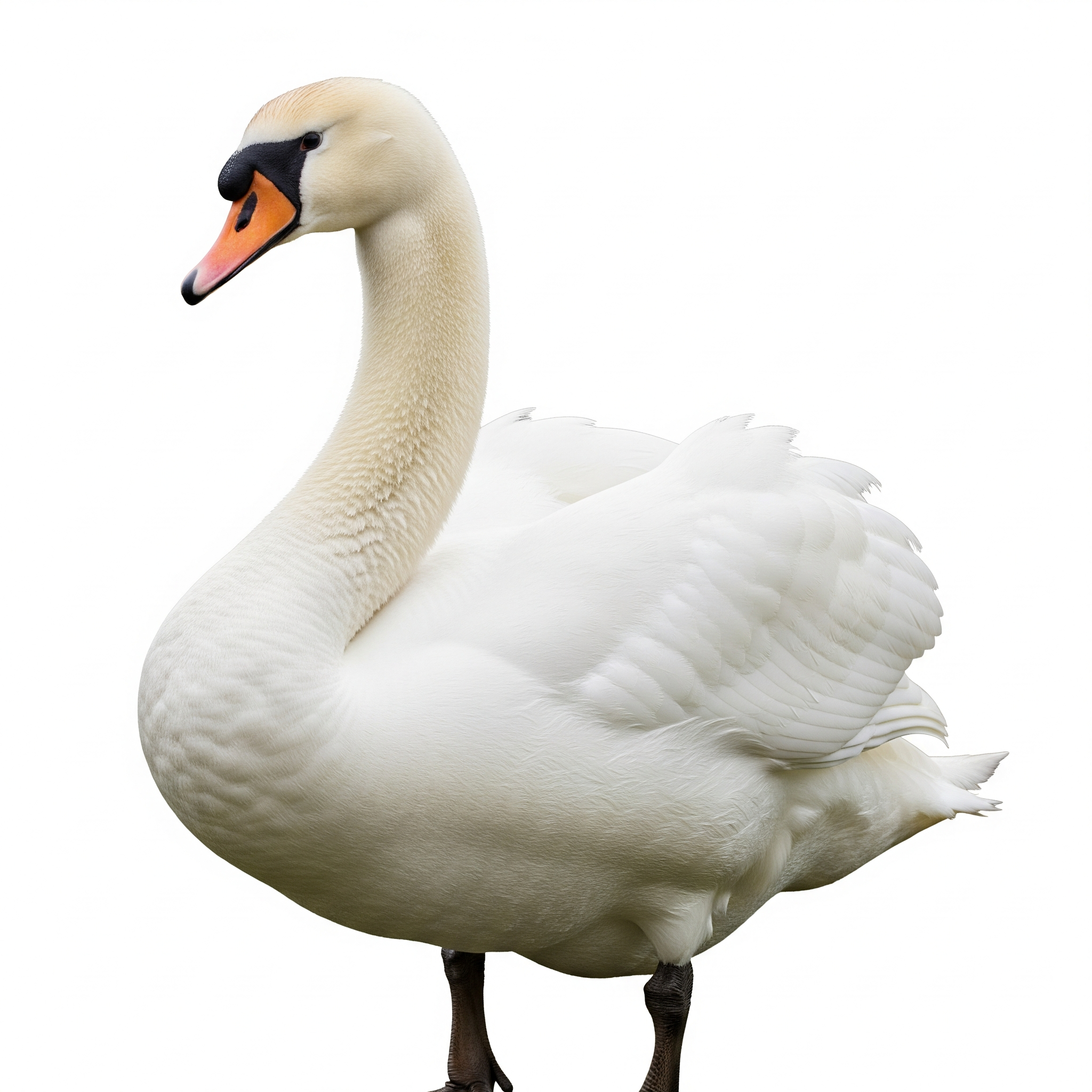
Archival print, museum-grade paper
Buy Poster
Stoneware mug, dishwasher safe
Buy Mug
Soft cotton tee, unisex sizes
Buy ShirtThe Mute Swan holds a special place in European culture, particularly in the United Kingdom, where wild swans are traditionally claimed by the Crown and feature in royal ceremonies. Historically, they were considered a delicacy among royalty and nobility. Today, the swan is a symbol of beauty, purity, and grace in art, literature, and folklore, often appearing in stories, poetry, and heraldic emblems.
Mute Swans inhabit parks, lakes, wetlands, and other aquatic environments across their native range in Europe and Asia. Due to introductions, they are now found in North America, Australasia, and beyond, thriving in temperate regions where water bodies provide ample food and nesting sites.
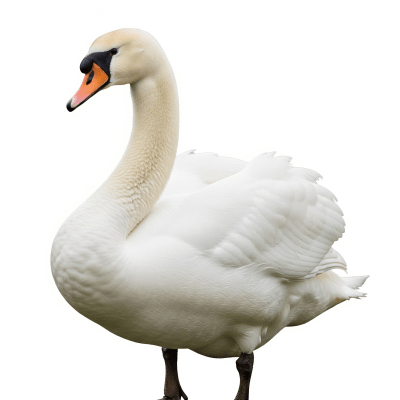
Mute Swans are primarily herbivorous, grazing on aquatic vegetation such as pondweeds, algae, and submerged grasses. They feed by dipping their long necks underwater, often uprooting plants and contributing to the ecological balance of their habitats.
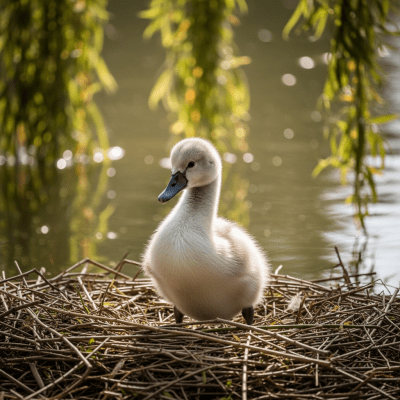
Mute Swans are monogamous, forming lifelong pairs that defend territories during the breeding season. They build large nests near water, where the female lays eggs and both parents care for the young. Cygnets hatch covered in grayish-brown down and gradually acquire their white plumage. The average lifespan is 10–15 years in the wild, with longer lives possible in protected environments.
The Mute Swan is not considered threatened and enjoys stable populations in most regions. However, local threats include habitat loss, pollution, and conflicts with humans. In many areas, the species is protected by law, reflecting its cultural and ecological importance.
Mute Swans are valued for their ornamental presence in parks and estates, enhancing landscape aesthetics. Ecologically, they help manage aquatic vegetation and contribute to wetland health. Their historical culinary use has faded, and today their economic significance is primarily cultural and ecological, especially in regions where they symbolize heritage and natural beauty.
While not domesticated in the traditional sense, Mute Swans have a long history in European aviculture and have been introduced globally for ornamental and conservation purposes. There are no recognized breeds or subspecies; the species is maintained in managed populations for aesthetic and ecological reasons.