Little Penguin
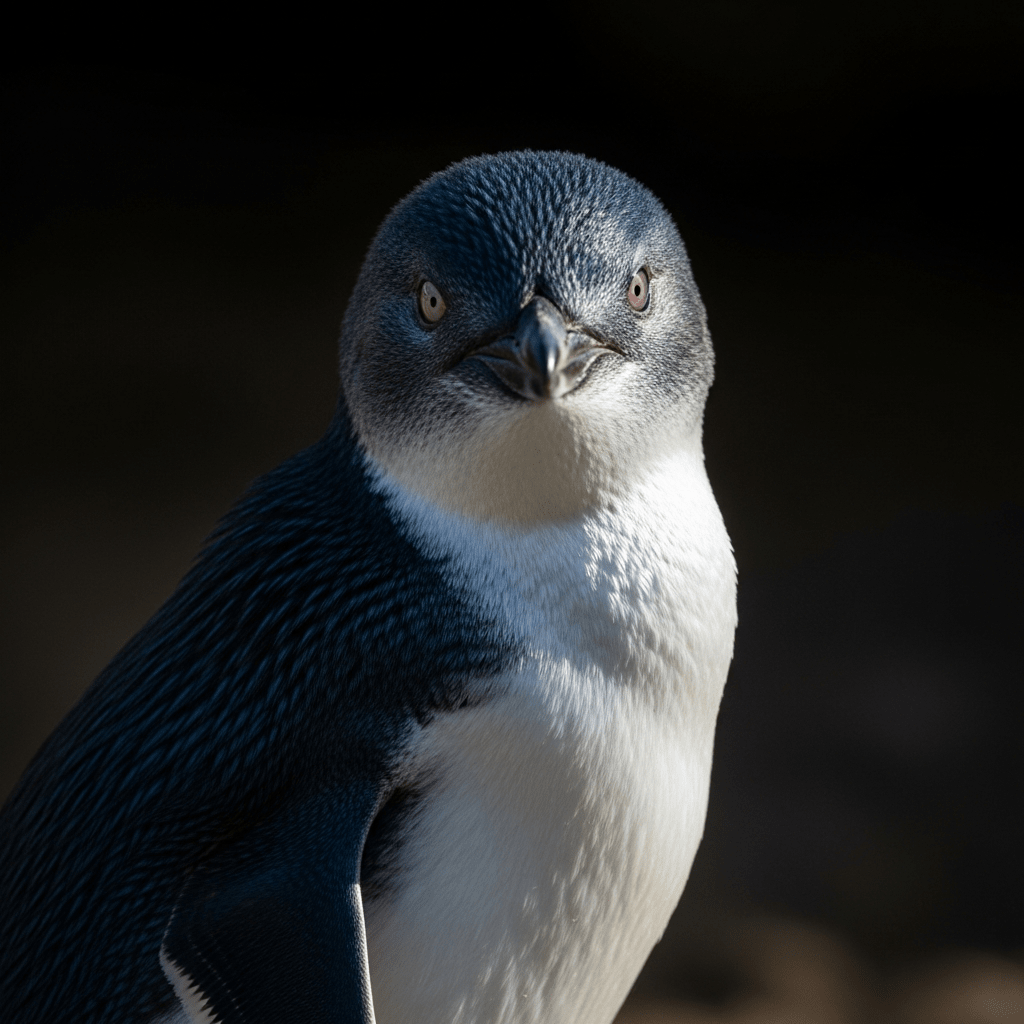
The Little Penguin (Eudyptula minor) is the world’s smallest penguin species, instantly recognized by its slate-blue plumage and endearing stature, native to the coastal regions of southern Australia and New Zealand.
The Little Penguin (Eudyptula minor) is the world’s smallest penguin species, instantly recognized by its slate-blue plumage and endearing stature, native to the coastal regions of southern Australia and New Zealand.
First described in 1781 by Johann Reinhold Forster, the Little Penguin originates from the temperate coastlines of southern Australia and New Zealand. Its evolutionary roots lie within the monotypic genus Eudyptula, and while several regional subspecies have been proposed, their scientific validity is still debated. The species has never been domesticated and remains a wild, iconic inhabitant of its native shores.
The Little Penguin belongs to the class Aves, order Sphenisciformes, family Spheniscidae, and is the sole member of the genus Eudyptula. Its scientific name is Eudyptula minor. As a true penguin, it shares evolutionary ties with other flightless, aquatic birds of the Southern Hemisphere, but stands apart as the smallest extant species in its family.
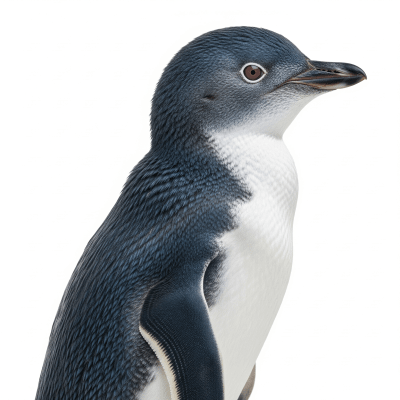
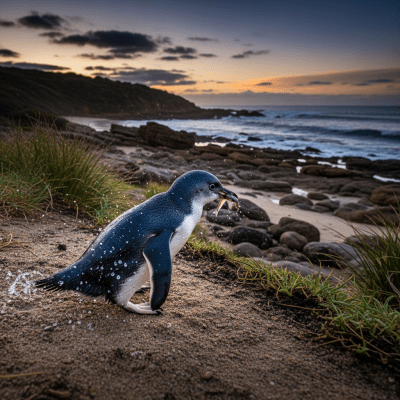
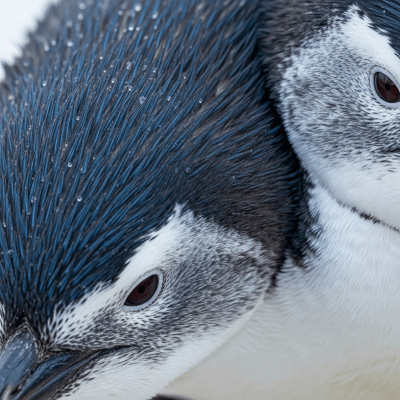
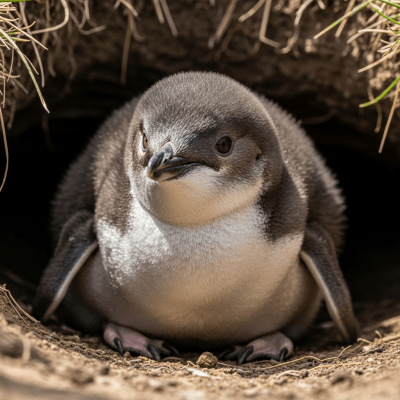
Compact and charming, the Little Penguin measures just 30–33 cm in height and weighs around 1–1.2 kg. Its upperparts shimmer in slate-blue to blue-gray tones, contrasting with a crisp white belly. Notable features include a pale bill and pink feet, setting it apart from larger penguin relatives. The bird’s diminutive form and agile build are perfectly suited for swift underwater movement, while its plumage provides camouflage among rocky coastal habitats.
Little Penguins are nocturnal and social, spending daylight hours in burrows or natural shelters. At dusk, they emerge to forage at sea, demonstrating remarkable swimming prowess as they hunt for fish, squid, and crustaceans. Colonies often form on offshore islands and protected mainland sites, where birds nest in burrows and engage in communal behaviors. While not used for food or trade, their presence is vital for ecotourism and as indicators of coastal ecosystem health.
Bring this kind into your world � illustrated posters, mugs, and shirts.
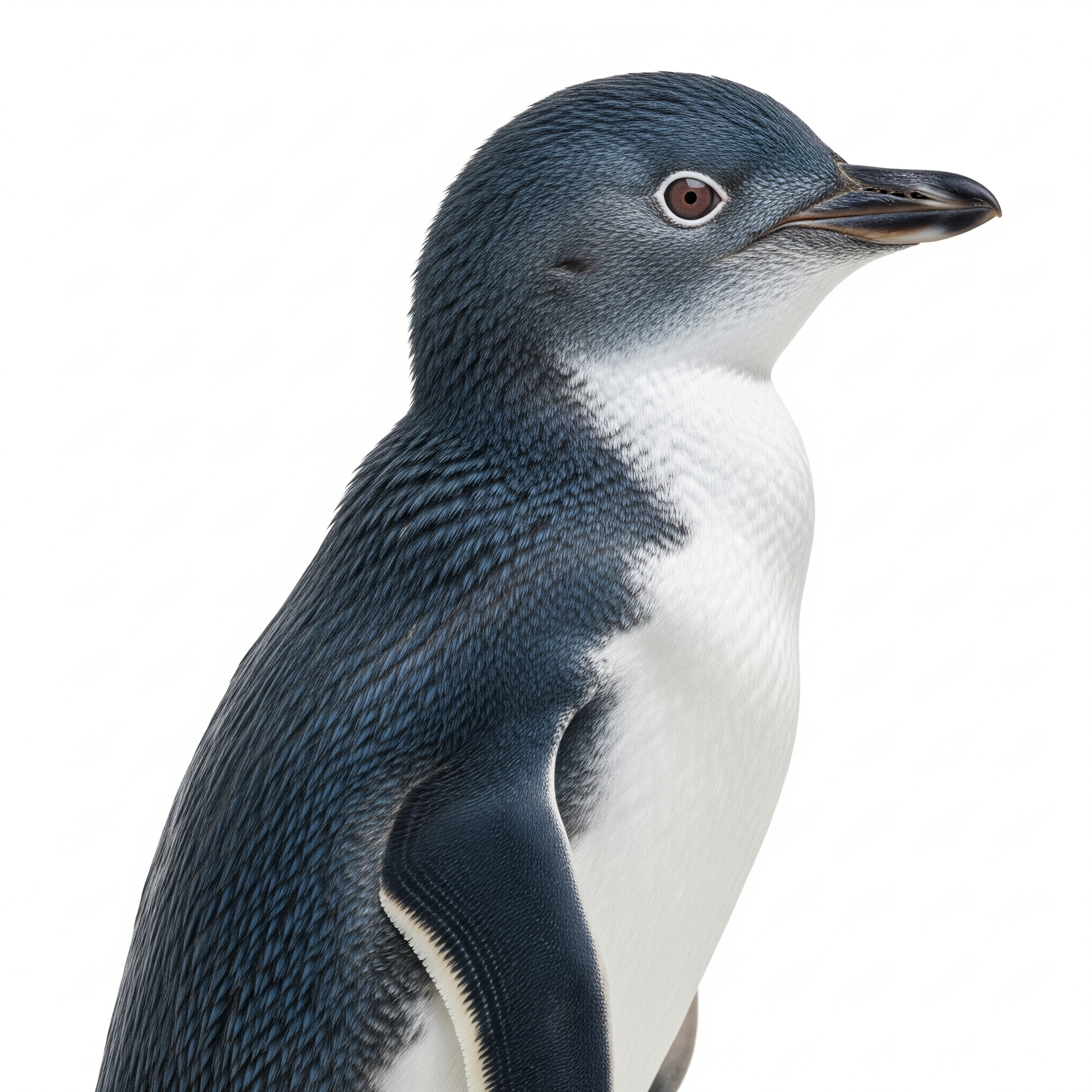
Archival print, museum-grade paper
Buy Poster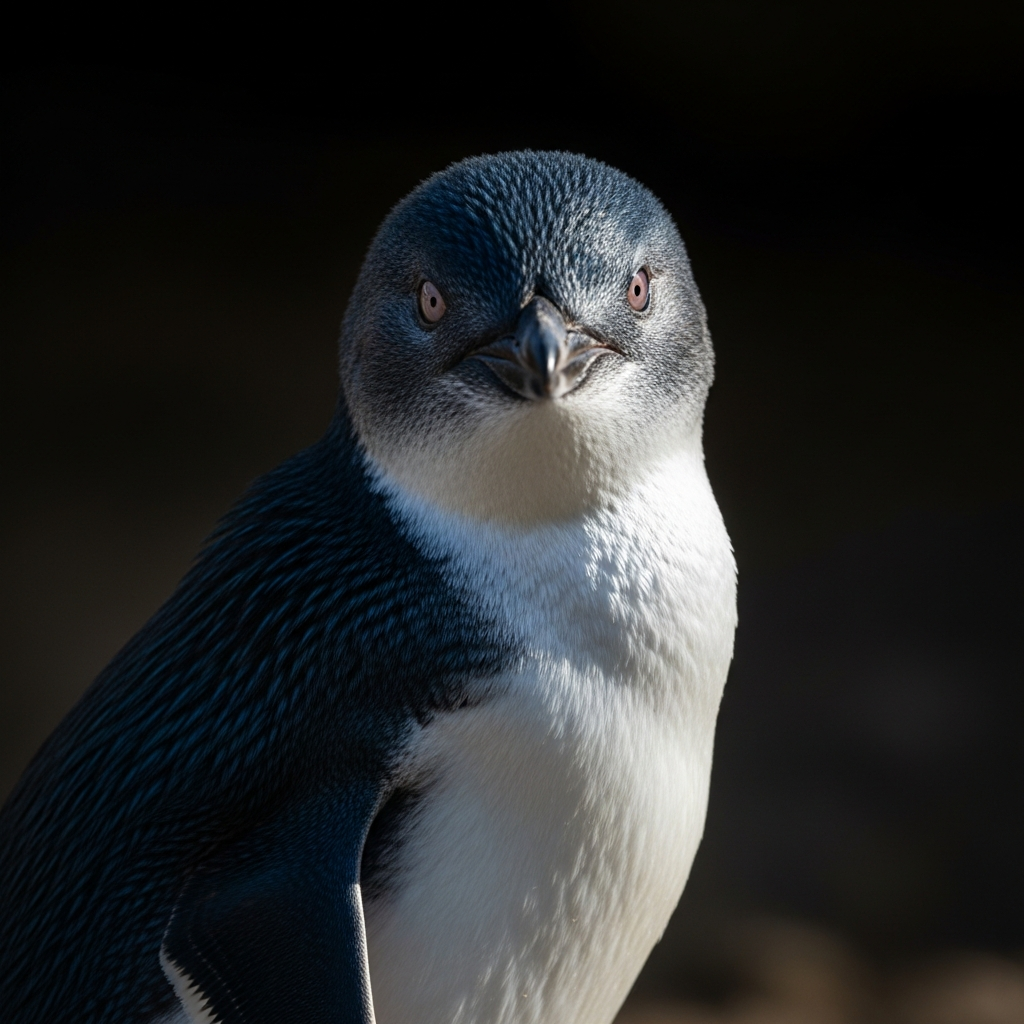
Stoneware mug, dishwasher safe
Buy Mug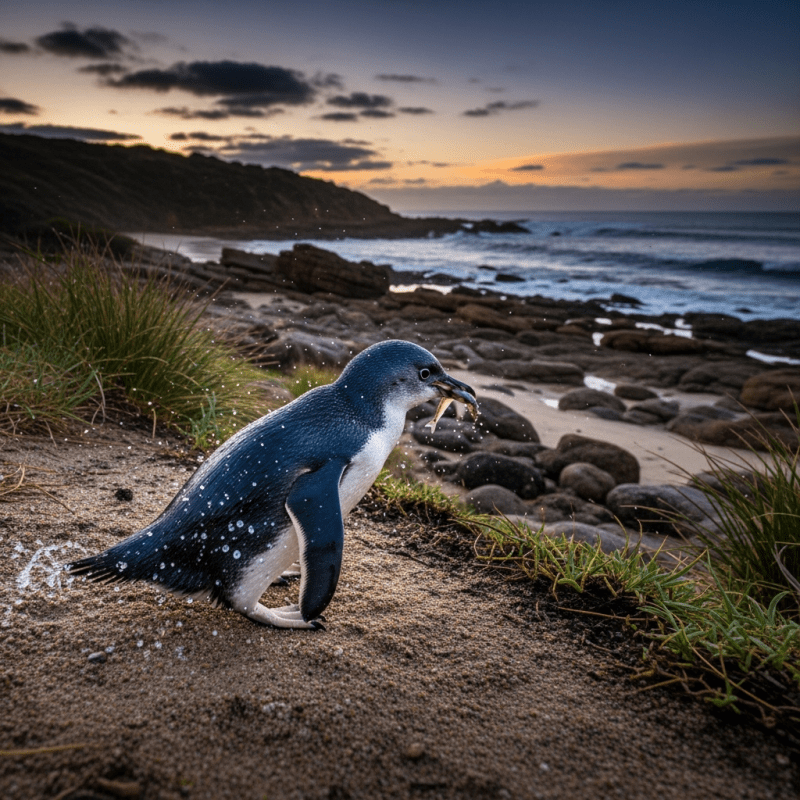
Soft cotton tee, unisex sizes
Buy ShirtIn Australia and New Zealand, Little Penguins hold a cherished place in local culture, often featured in folklore, tourism, and conservation campaigns. The "Penguin Parade" on Phillip Island is a celebrated ecotourism event, drawing visitors to witness their nightly return to shore. Their gentle demeanor and unique appearance have made them symbols of environmental stewardship and regional pride.
Little Penguins inhabit temperate coastal regions, with colonies scattered across southern Australia and New Zealand. They favor offshore islands and secluded mainland sites, where they nest in burrows or under natural cover. Their distribution is closely linked to areas with abundant marine food sources and minimal disturbance from humans or introduced predators.
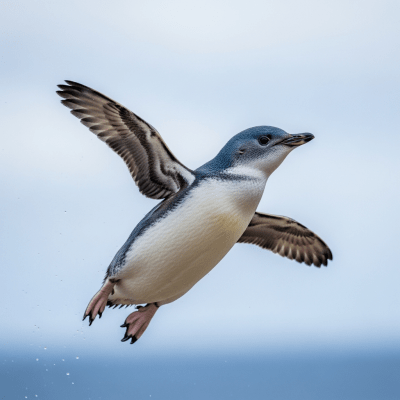
Specialized for marine hunting, Little Penguins primarily consume small fish, squid, and crustaceans. They forage at sea, using their streamlined bodies and powerful flippers to pursue prey underwater, often traveling considerable distances from their nesting sites. Feeding typically occurs at night, aligning with their nocturnal habits.
Little Penguins breed in colonies, nesting in burrows excavated in sand, soil, or under vegetation. While clutch size and breeding season can vary regionally, pairs typically lay one or two eggs per season. Chicks are cared for by both parents and fledge after several weeks. Wild individuals live an average of 6–7 years, though some reach up to 20 years, depending on environmental conditions and predation risks.
Little Penguins are legally protected in Australia and New Zealand. Although not currently classified as endangered, they face significant threats from habitat disturbance, introduced predators such as foxes and dogs, and environmental changes. Conservation efforts focus on predator control, habitat restoration, and public education to ensure the species’ long-term survival.
Ecologically, Little Penguins serve as important indicators of coastal ecosystem health, reflecting changes in marine food webs and environmental quality. Economically, they are central to ecotourism, with managed colony viewing contributing to local economies, especially in Australia. Their presence fosters conservation awareness and supports sustainable tourism initiatives.
Little Penguins have never been domesticated and exist solely as wild populations. No formal breeds or crosses are recognized, though several regional subspecies have been proposed, such as Eudyptula minor novaehollandiae (Australia) and Eudyptula minor minor (New Zealand). Taxonomic consensus on these subspecies remains unresolved among authorities.