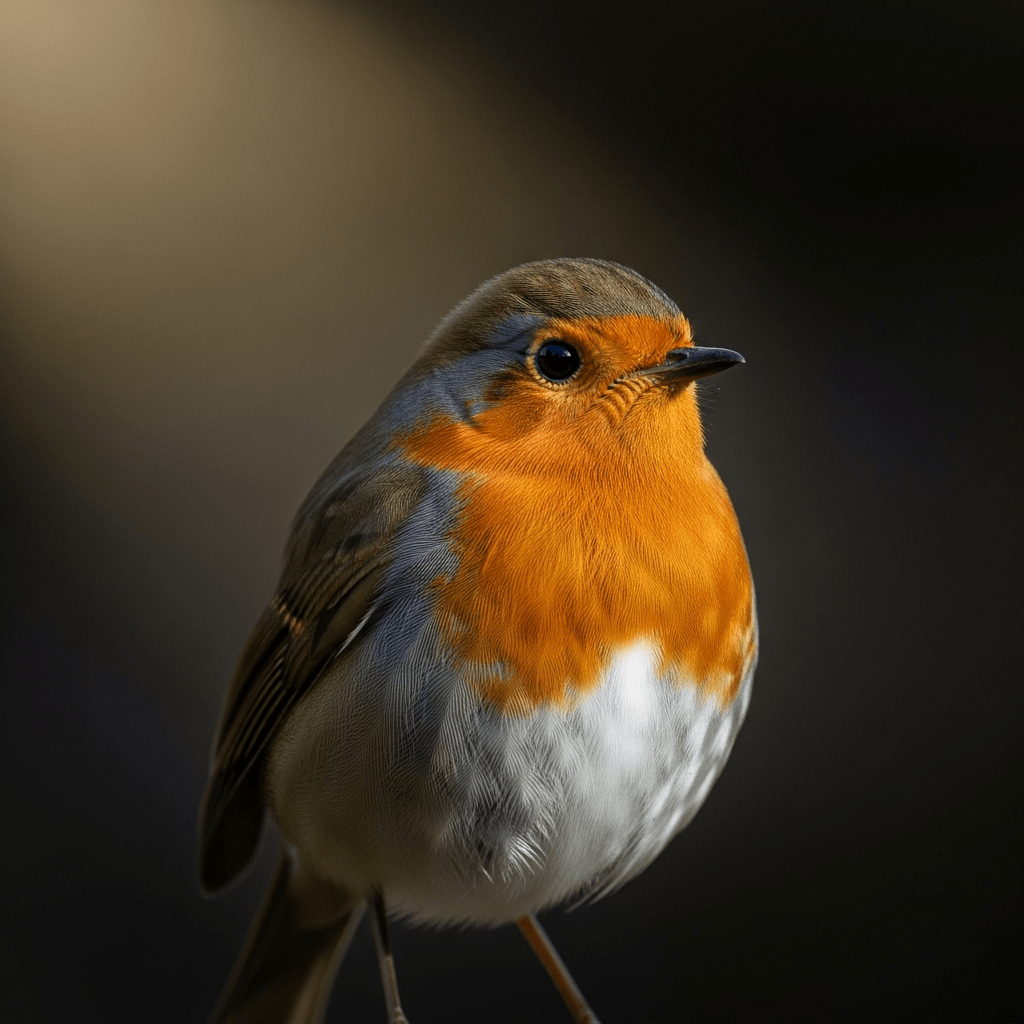
European Robin
The European Robin (Erithacus rubecula) is a small, insect-eating songbird instantly recognized by its vivid orange-red breast and friendly presence in gardens and woodlands across Europe.
The European Robin (Erithacus rubecula) is a small, insect-eating songbird instantly recognized by its vivid orange-red breast and friendly presence in gardens and woodlands across Europe.
Native to the Palearctic region, the European Robin was first formally described by Carl Linnaeus in 1758. As a wild species, it has no domestication history or breeder origin, and its lineage stretches naturally across Europe and parts of western Asia, thriving in diverse habitats without human intervention.
The European Robin belongs to the order Passeriformes, family Muscicapidae, genus Erithacus, and species rubecula. As a passerine, it is part of the largest and most diverse group of birds, commonly referred to as perching birds or songbirds. Its stable scientific name and placement reflect broad consensus among ornithological authorities.
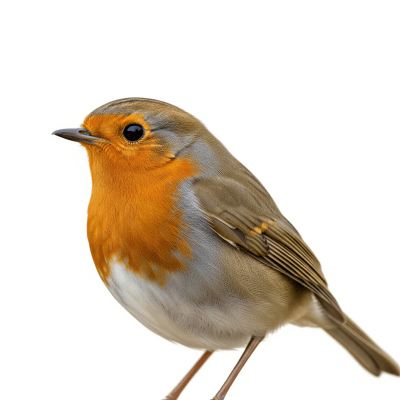
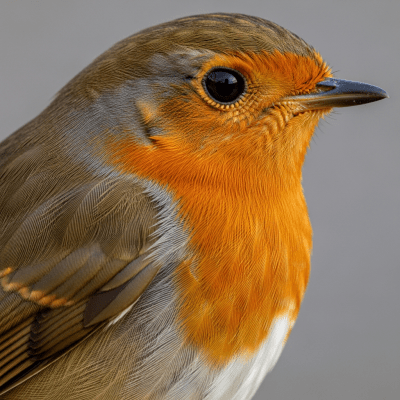
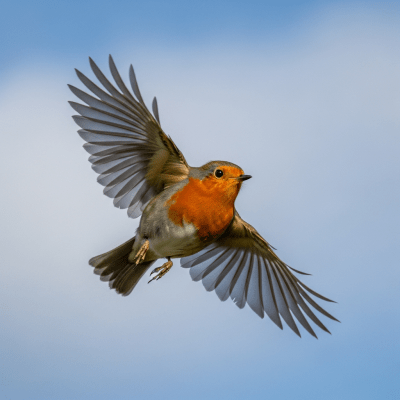
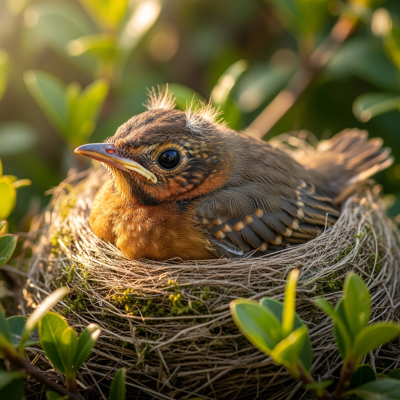
Measuring about 12.5–14 cm in length with a wingspan of 20–22 cm, the European Robin’s most striking feature is its orange-red breast and face, set off by olive-brown upperparts and a pale belly. Adults display a clear, vivid coloration, while juveniles are mottled brown and lack the red breast. Its compact form and upright posture, often seen perched on low branches, make it a charming sight in any setting.
Robins are fiercely territorial year-round, with both males and females singing to defend their areas. Their tameness and adaptability allow them to thrive in urban gardens as well as wild woodlands. The robin’s inquisitive nature often brings it close to humans, making it a familiar companion for gardeners and birdwatchers alike. Its primary ecological role is as a predator of insects and other small invertebrates.
Bring this kind into your world � illustrated posters, mugs, and shirts.
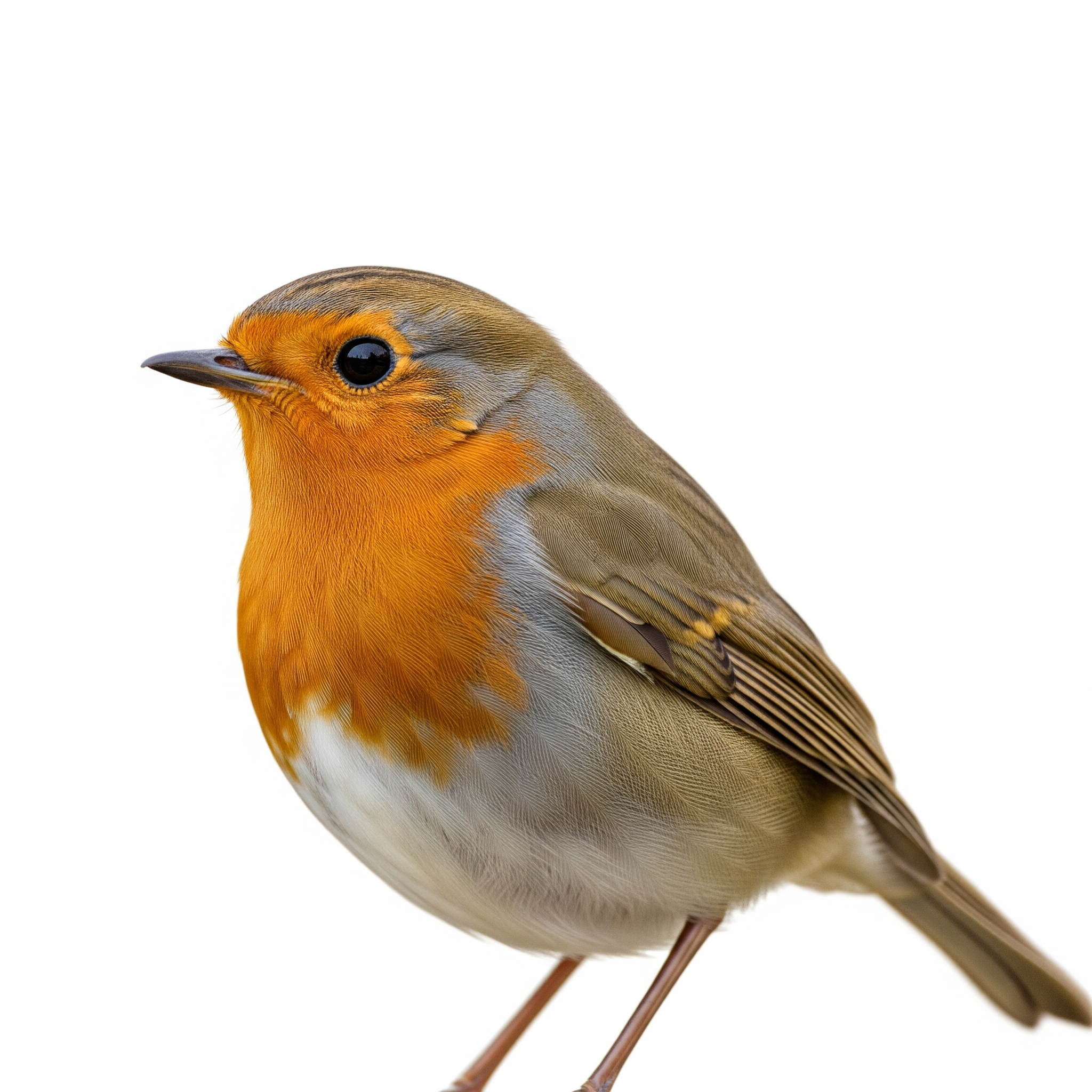
Archival print, museum-grade paper
Buy Poster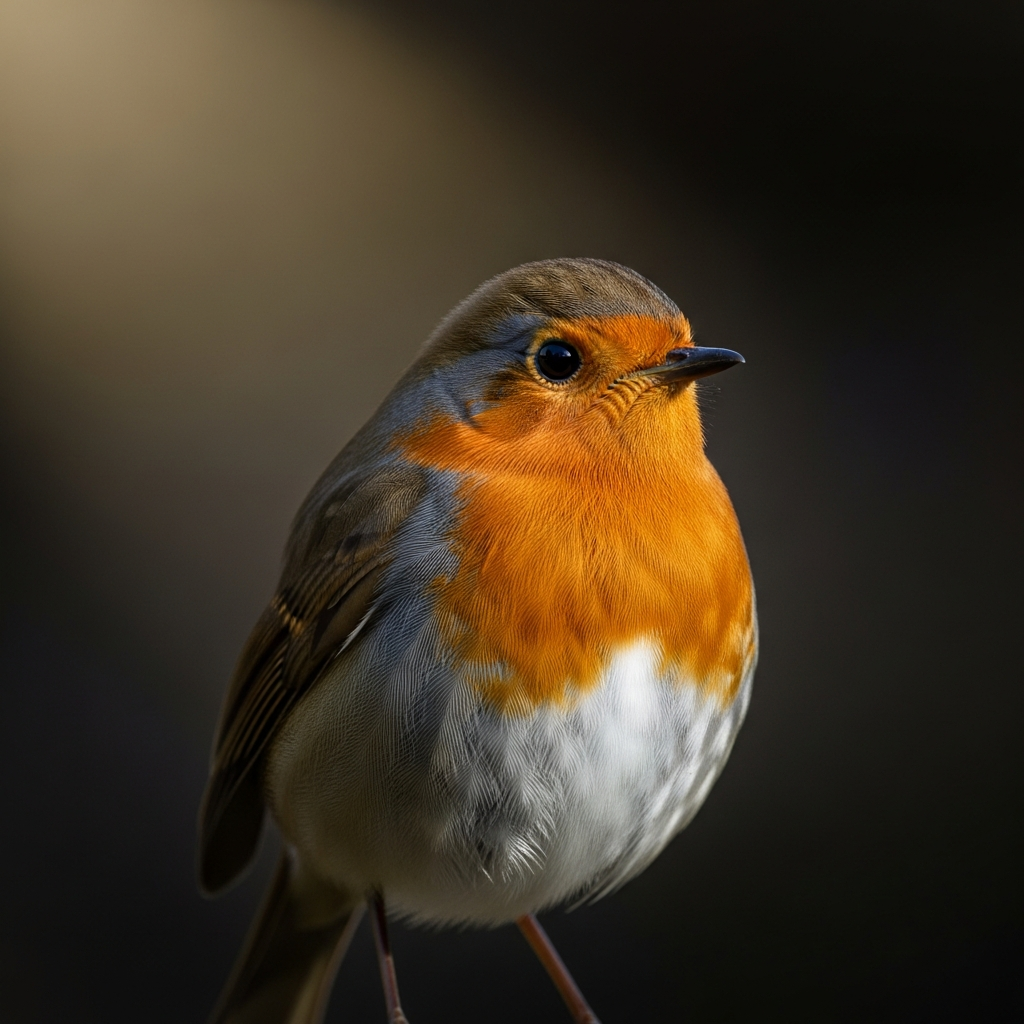
Stoneware mug, dishwasher safe
Buy Mug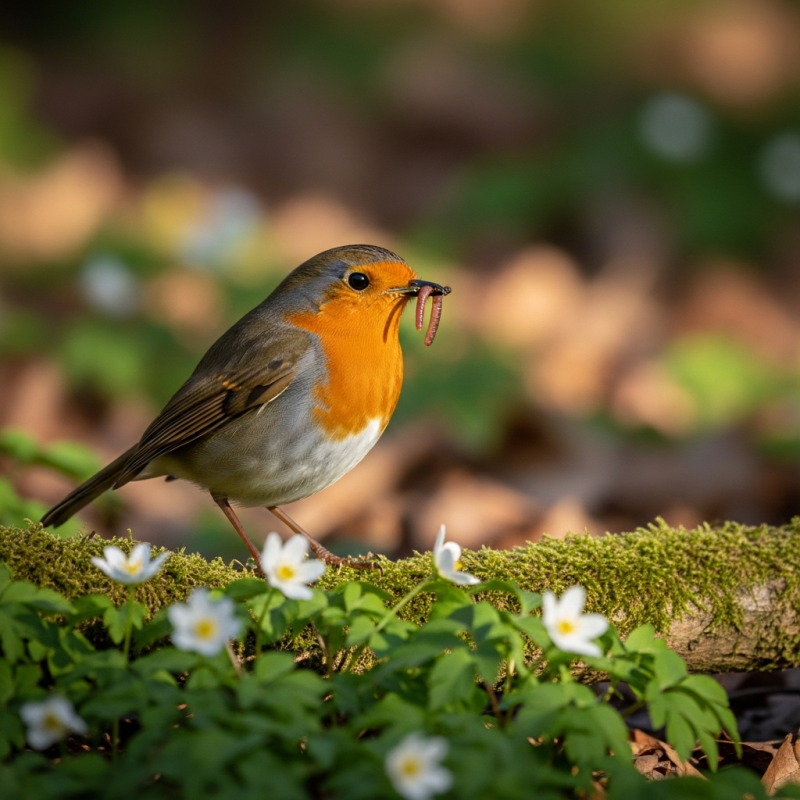
Soft cotton tee, unisex sizes
Buy ShirtFew birds are as deeply woven into European folklore and culture as the robin. In the UK and Ireland, it is celebrated as a symbol of Christmas, renewal, and good fortune, frequently appearing on holiday cards and decorations. Its cheerful song and approachable demeanor have inspired countless works of art, poetry, and myth, cementing its status as a beloved icon in the public imagination.
The European Robin is widely distributed across Europe, western Asia, and parts of North Africa. It thrives in gardens, woodlands, parks, and urban areas, adapting easily to human-altered landscapes. Its presence is a hallmark of temperate zones, and it is among the most familiar birds in its range.
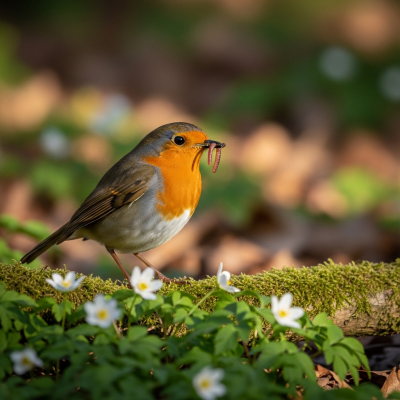
Primarily insectivorous, the European Robin feeds on worms, spiders, and other small invertebrates, foraging on the ground or low vegetation. In winter, when insects are scarce, it supplements its diet with seeds and fruits, demonstrating remarkable adaptability in its feeding habits.
Robins typically breed in spring, constructing cup-shaped nests in dense vegetation or sheltered nooks. Both parents participate in feeding the young. Juveniles emerge with mottled brown plumage, gradually developing the iconic red breast as they mature. Lifespan varies, but many robins live several years in the wild.
The European Robin is currently not considered threatened and enjoys legal protection across much of its range. Its adaptability to urban and rural habitats helps maintain stable populations, though local threats may include habitat loss and predation.
Ecologically, the robin plays a vital role in controlling insect populations and dispersing seeds. Economically, its significance is primarily cultural, as it attracts birdwatchers and enriches local biodiversity. Its presence in gardens and parks contributes to ecosystem health and public enjoyment of nature.
The European Robin remains a wholly wild species, with no history of domestication or recognized breeds. Its close association with humans is a product of natural tameness rather than selective breeding.