
European Goldfinch
The European Goldfinch (Carduelis carduelis) is a small, vividly colored songbird native to Europe, North Africa, and parts of Asia, celebrated for its striking plumage and melodic vocalizations.
The European Goldfinch (Carduelis carduelis) is a small, vividly colored songbird native to Europe, North Africa, and parts of Asia, celebrated for its striking plumage and melodic vocalizations.
First described by Carl Linnaeus in 1758, the European Goldfinch is a wild species with deep roots across Europe, North Africa, and western and central Asia. Its natural range reflects centuries of adaptation to temperate landscapes, and its presence has expanded through introductions to Australia and New Zealand. The species' origin is not tied to domestication or selective breeding, but rather to natural evolutionary processes within the finch family, with several recognized subspecies marking its geographic diversity.
Belonging to the family Fringillidae and genus Carduelis, the European Goldfinch is classified as a passerine, or perching bird. Its scientific name is Carduelis carduelis. Within the broader taxonomy of birds (class Aves), it is grouped with other finches known for seed-eating habits and vibrant plumage. The species is further divided into subspecies based on regional variation, such as C. c. carduelis (nominate), C. c. britannica (British Isles), and C. c. caniceps (Central Asia).
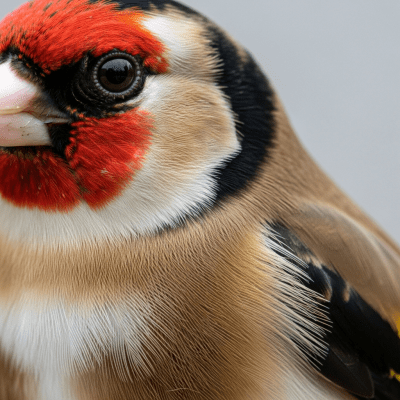
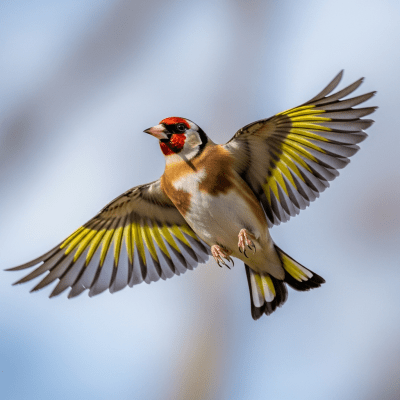
The European Goldfinch is instantly recognizable by its brilliant red face, contrasting black-and-white head, warm brown back, and vivid yellow wing bars. Measuring about 12–13.5 cm in length with a wingspan of 21–25 cm, it is petite yet visually striking. Its long, pointed bill is perfectly adapted for extracting seeds from thistles and teasels. The bird's agile flight and colorful plumage make it a favorite among birdwatchers and artists alike.
Highly social by nature, European Goldfinches are often seen in lively flocks outside the breeding season, displaying agile flight patterns and engaging in complex, musical vocalizations. During breeding, they nest in loose colonies, constructing neat cup-shaped nests in trees or shrubs. While not used for food, their beauty and song have made them popular as ornamental cage birds, especially in Europe and the Middle East. Their adaptability allows them to thrive in gardens, woodlands, and open countryside.
Bring this kind into your world � illustrated posters, mugs, and shirts.
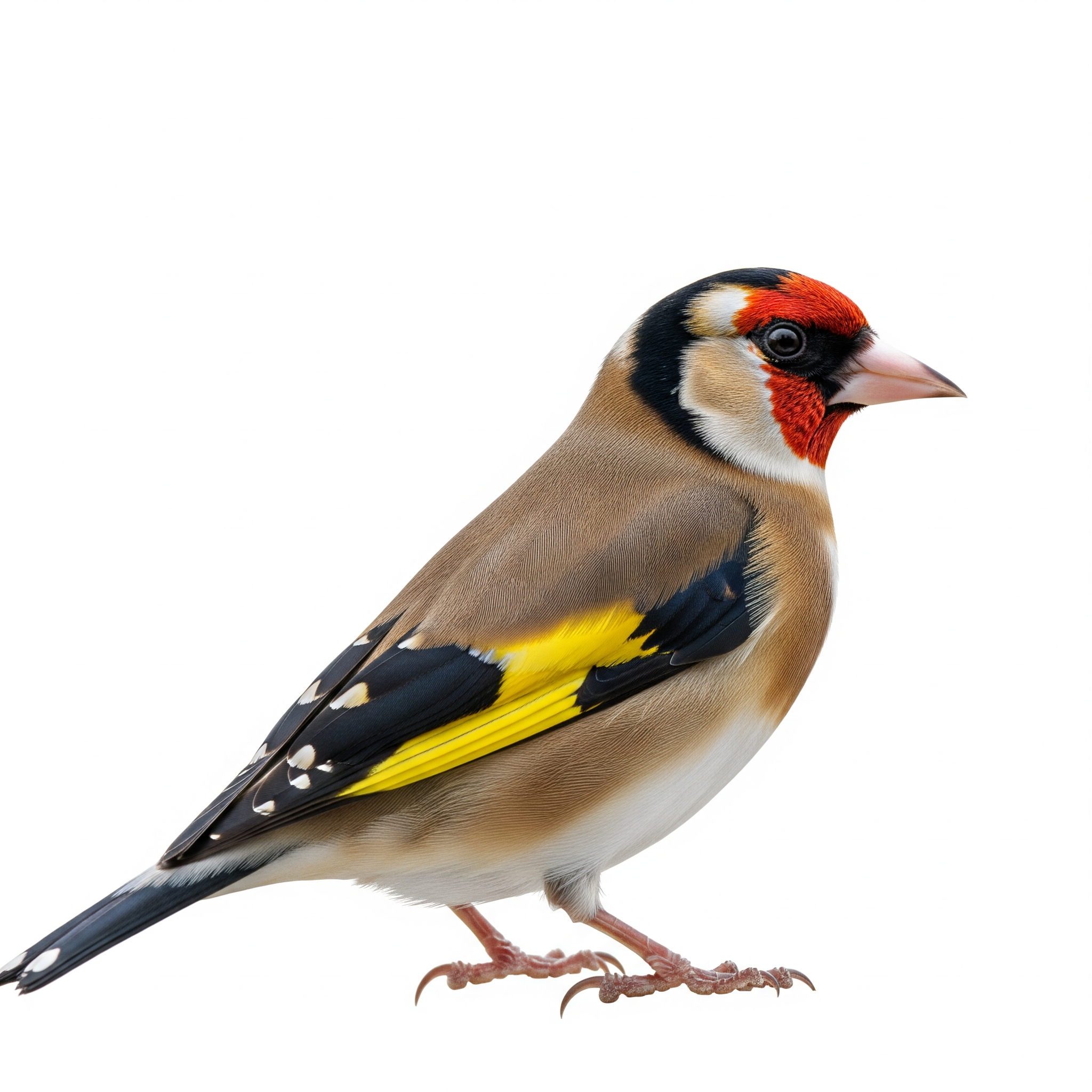
Archival print, museum-grade paper
Buy Poster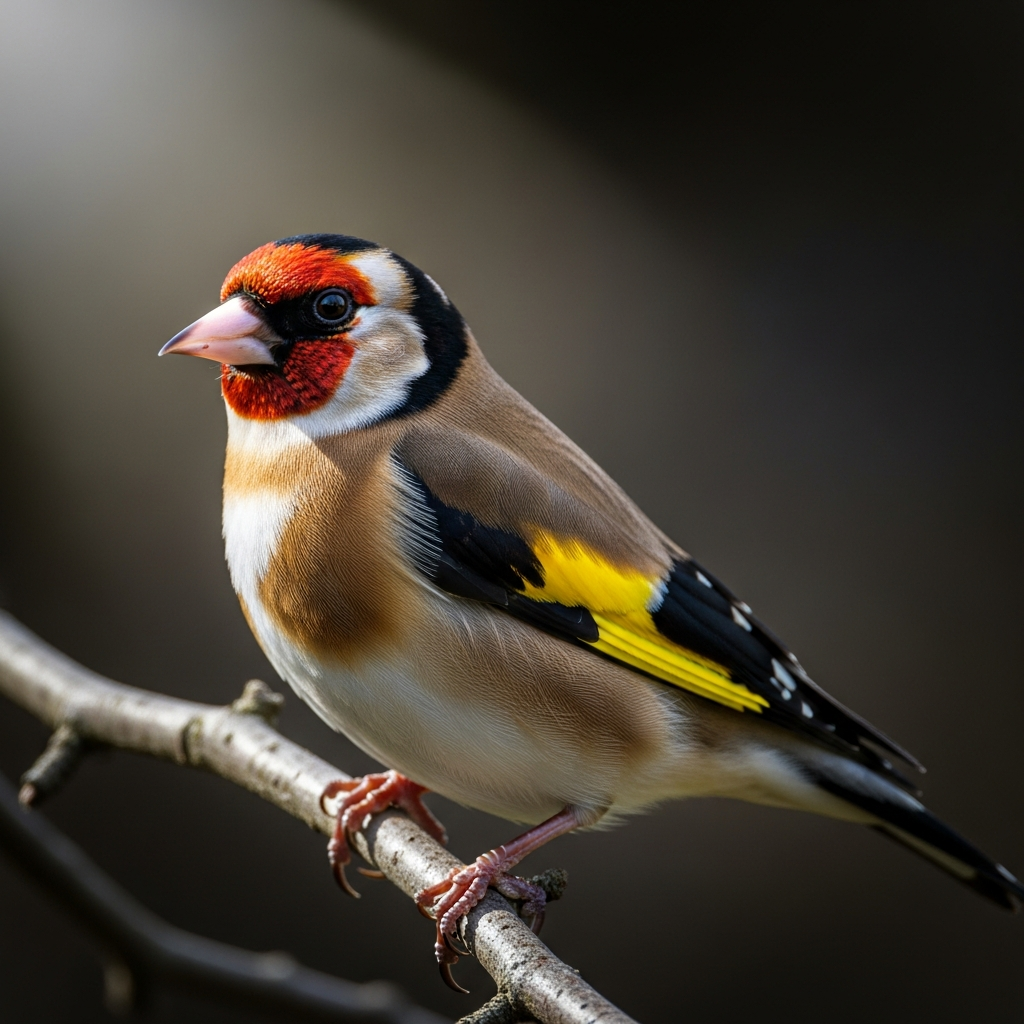
Stoneware mug, dishwasher safe
Buy Mug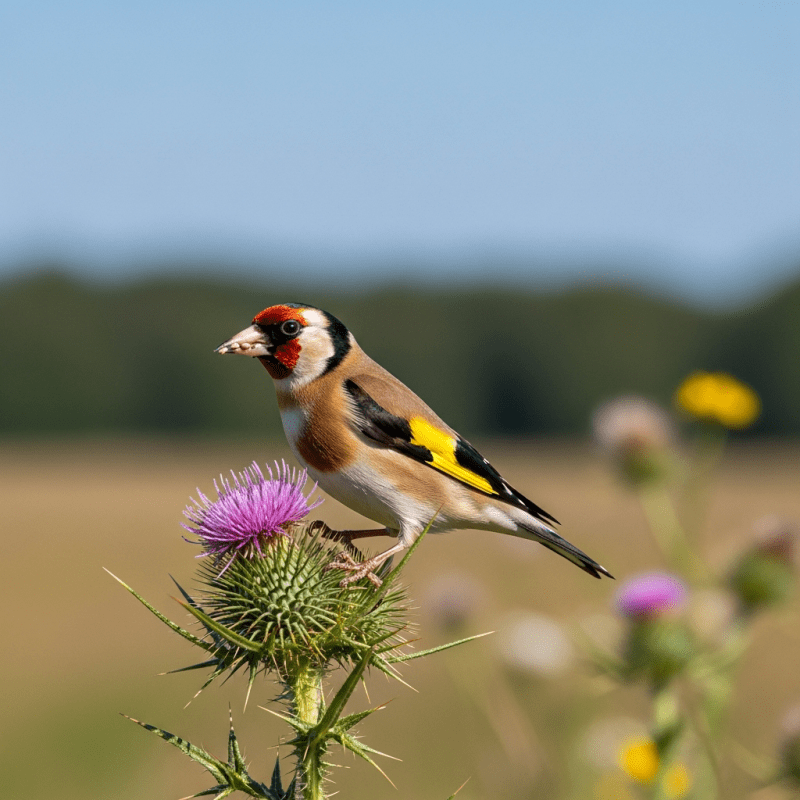
Soft cotton tee, unisex sizes
Buy ShirtThe European Goldfinch has long held a place in art, folklore, and symbolism. In European paintings, it often represents joy, endurance, and resurrection. Its melodious song and vibrant appearance have made it a cherished symbol in literature and music, and its image is frequently found in decorative arts. Legal protections in many countries reflect its cultural value, with wild capture prohibited to preserve both populations and heritage.
The European Goldfinch is highly adaptable, thriving in gardens, woodlands, and open countryside. Its native range spans Europe, North Africa, and western and central Asia. Human introductions have established populations in Australia and New Zealand, where it continues to flourish in suitable habitats. The species' flexibility allows it to occupy both rural and urban landscapes, making it a common sight across its range.
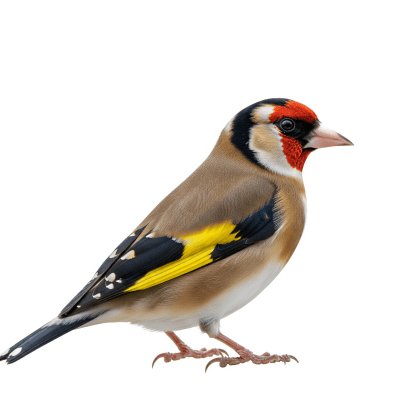
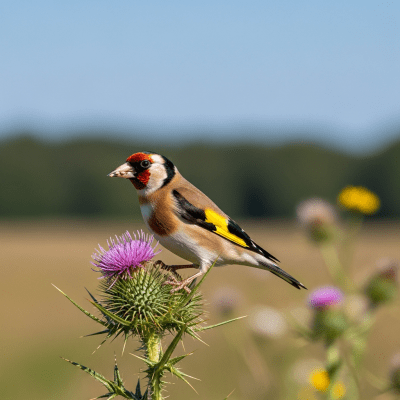
Goldfinches feed primarily on seeds, with a particular preference for thistles and teasels. Their long, slender bills are perfectly suited for extracting seeds from spiky plants, a trait that distinguishes them from many other finches. Outside the breeding season, they often forage in flocks, moving agilely among plants to find food.
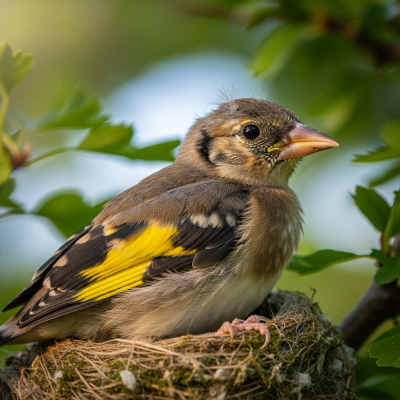
European Goldfinches breed in loose colonies, constructing neat cup-shaped nests in trees or shrubs. While specific clutch size and breeding season details vary by region and are not universally documented, their reproductive strategy emphasizes social nesting and parental care. The lifecycle includes periods of flocking outside the breeding season and dispersal of young birds as they mature.
The European Goldfinch is not currently considered threatened and enjoys stable populations across much of its range. However, it faces risks from habitat loss and predation. Legal protections, such as the EU Birds Directive, help safeguard the species by prohibiting wild capture and promoting conservation of its habitats.
Ecologically, the European Goldfinch plays a vital role in seed dispersal, particularly for thistles and teasels. Its presence supports plant diversity and provides food for predators. Economically, it has been valued as a cage bird for its song and beauty, influencing aviculture and the pet trade. Its cultural significance in art and folklore adds intangible value, and legal protections underscore its importance to both ecosystems and human heritage.
The European Goldfinch remains a wild species and has not undergone formal domestication. However, its popularity as a cage bird has led to selective breeding for plumage and song in captivity. Several subspecies are recognized, including C. c. carduelis (nominate), C. c. britannica (British Isles), and C. c. caniceps (Central Asia), reflecting natural geographic variation rather than human-directed breeds.