Cockatoo
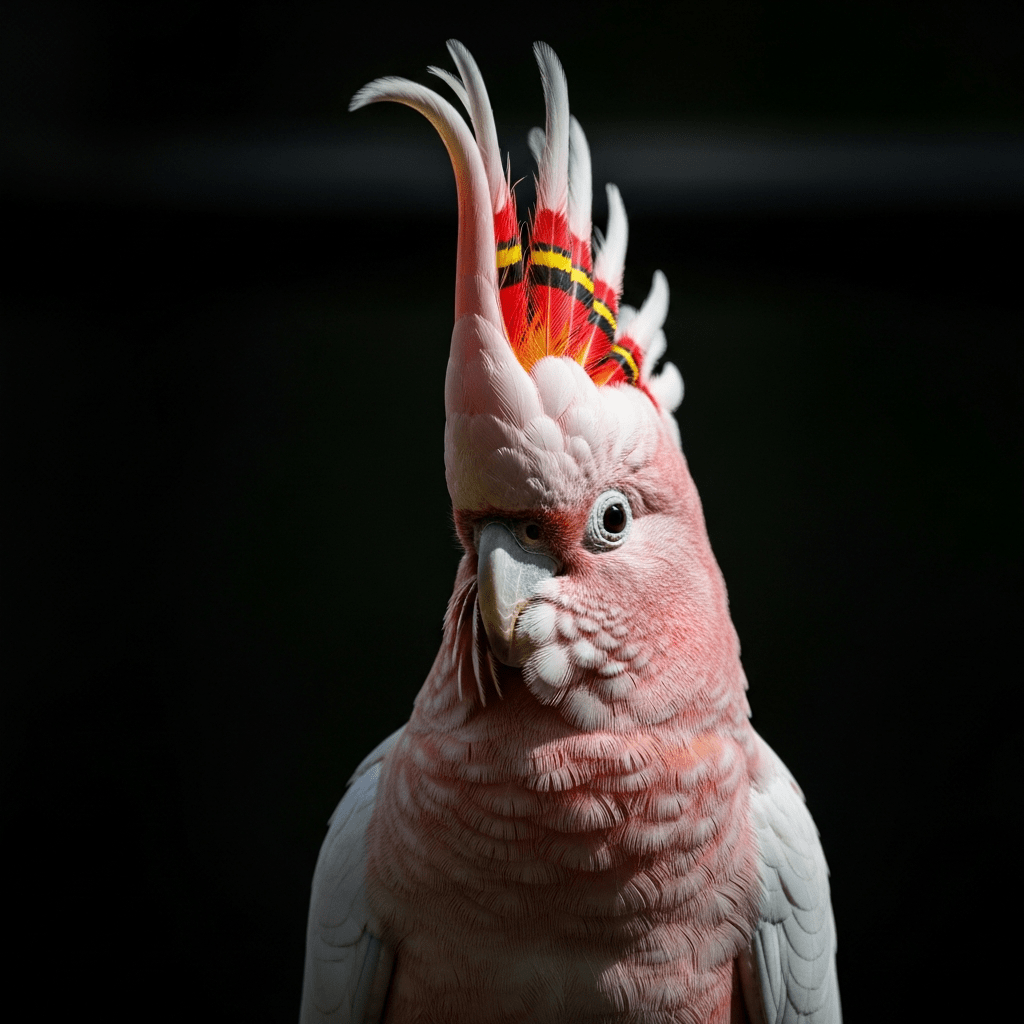
Cockatoos are expressive, intelligent parrots of the family Cacatuidae, instantly recognized by their flamboyant crests and vibrant personalities.
Cockatoos are expressive, intelligent parrots of the family Cacatuidae, instantly recognized by their flamboyant crests and vibrant personalities.
Originating in Australasia, cockatoos trace their lineage across Australia, New Guinea, Indonesia, and nearby islands. First formally described by Nicholas Aylward Vigors in 1825, their fossil record reaches back to the Miocene epoch, marking a distinct evolutionary path from other parrot families. Genetic studies confirm their unique ancestry, with cockatoos emerging as a monophyletic group adapted to a variety of regional habitats.
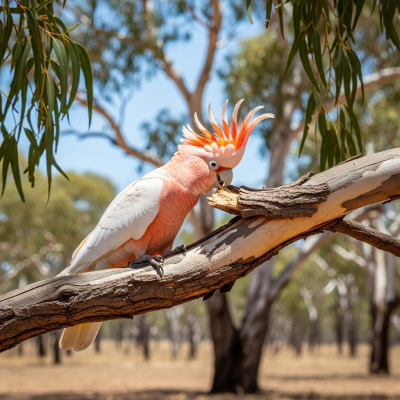
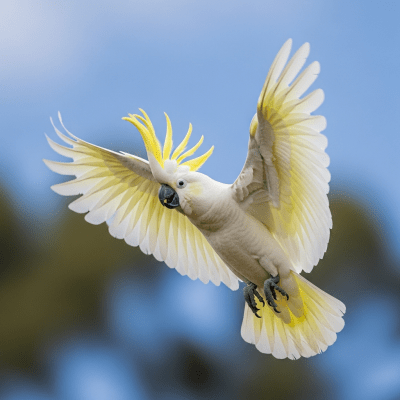
Cockatoos belong to the family Cacatuidae within the order Psittaciformes, setting them apart from other parrot groups such as Psittacidae and Psittaculidae. Their classification is based on shared traits—most notably their erectile crests and robust bills. The family encompasses several genera and iconic species, including the Sulphur-crested Cockatoo and Major Mitchell's Cockatoo, all united by evolutionary and morphological characteristics unique to this avian lineage.
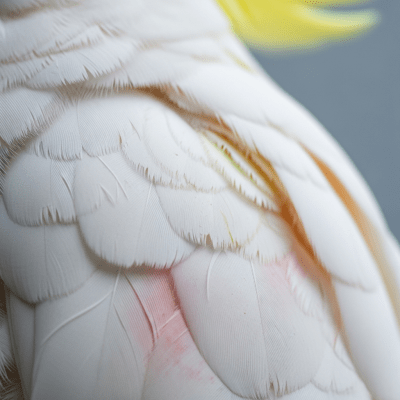
Medium to large in size (typically 30–70 cm long), cockatoos display striking plumage in shades of white, pink, grey, or black, often accented with vivid highlights on their crests or tails. Their most distinguishing feature is the prominent, expressive crest, which they raise or lower to communicate mood. Strong, curved bills are perfectly adapted for cracking tough seeds and nuts, while zygodactyl feet provide dexterity for climbing and manipulating objects. Their lively eyes and animated postures further enhance their charismatic appeal.
Cockatoos are highly social birds, gathering in large, noisy flocks and engaging in complex vocalizations. Their intelligence is evident in tool use, problem-solving, and intricate social interactions. In the wild, they nest in tree hollows and exhibit slow reproductive rates. As companion animals, cockatoos are valued for their affectionate nature, trainability, and capacity to form strong bonds with humans. In agricultural settings, however, some species are considered pests due to crop damage.
Bring this kind into your world � illustrated posters, mugs, and shirts.
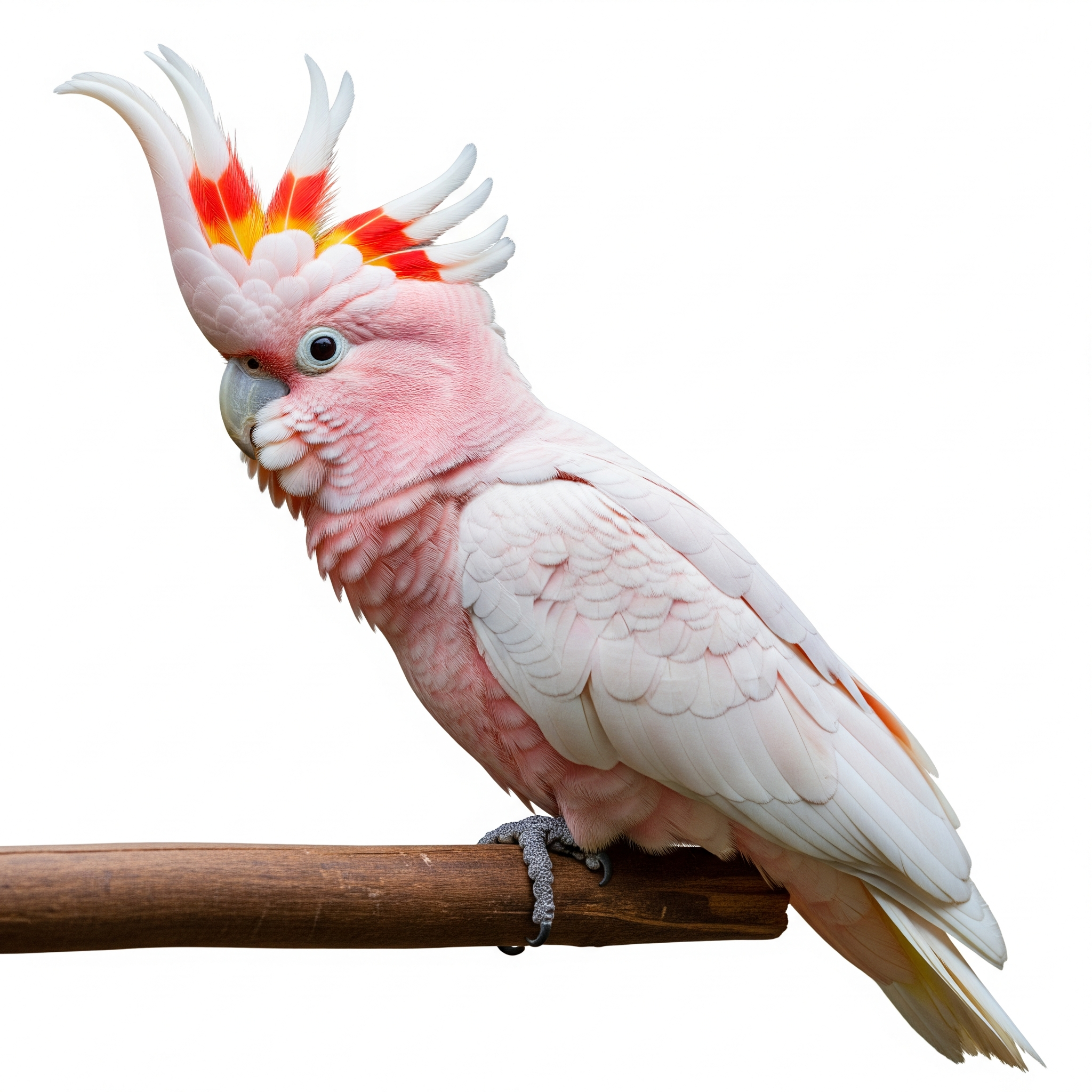
Archival print, museum-grade paper
Buy Poster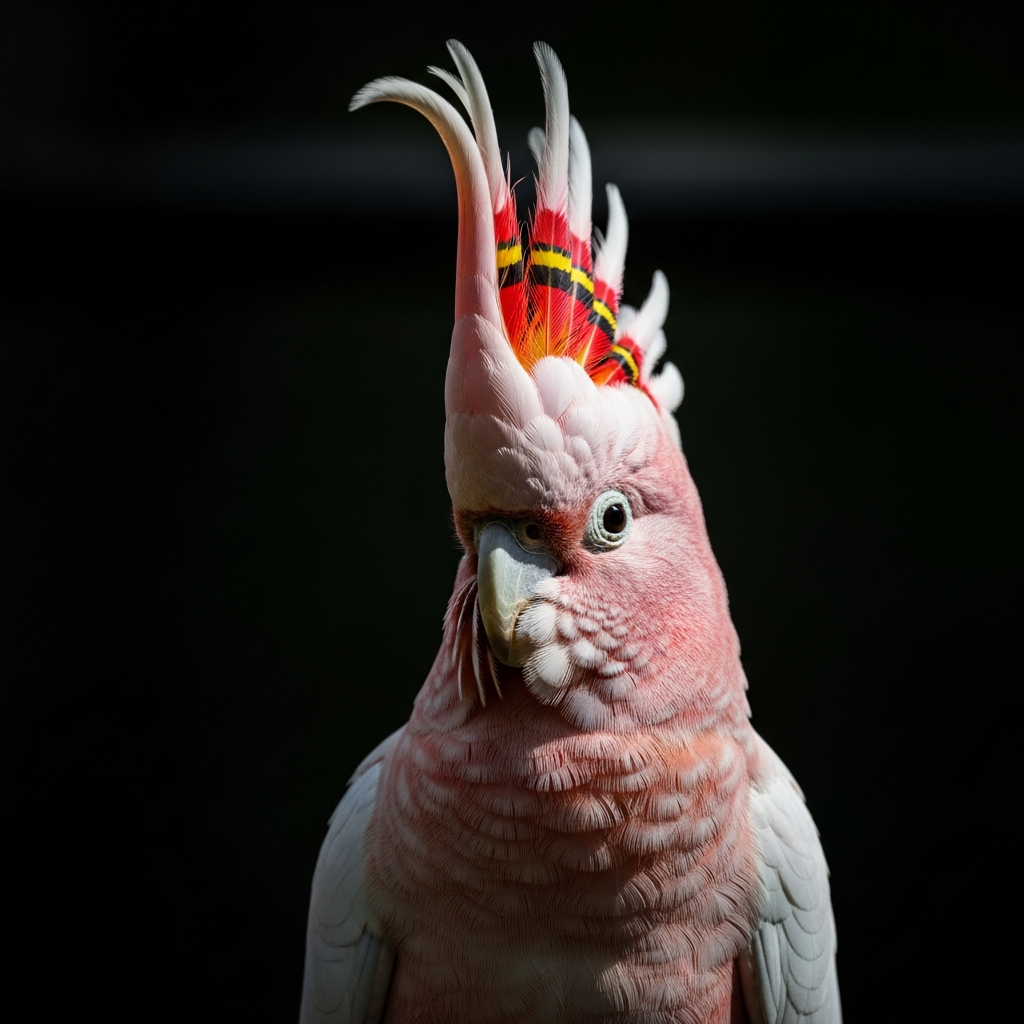
Stoneware mug, dishwasher safe
Buy Mug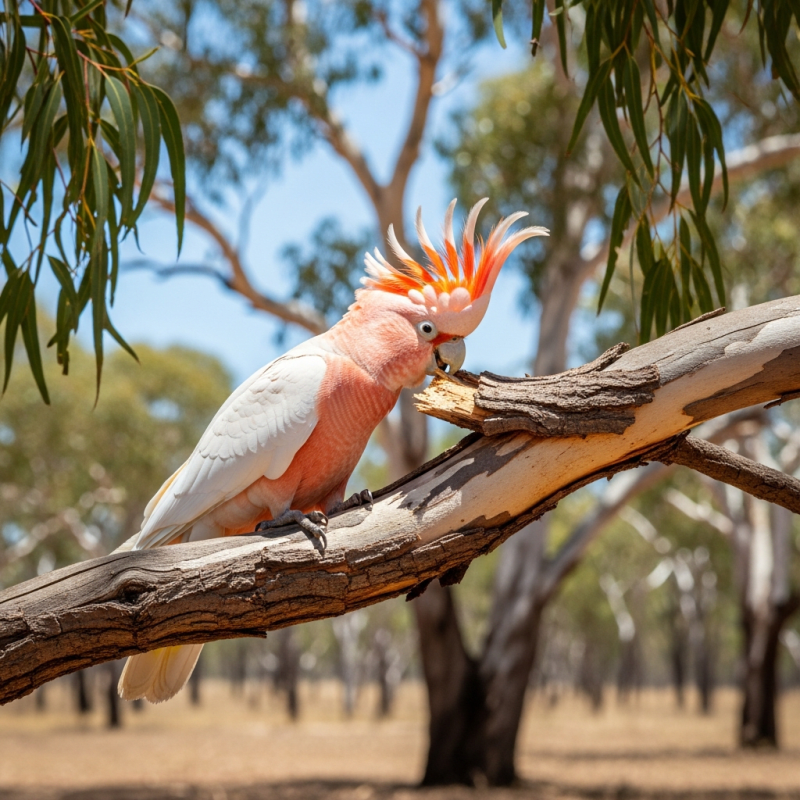
Soft cotton tee, unisex sizes
Buy ShirtCockatoos hold a special place in Indigenous Australian art and folklore, often symbolizing freedom, spirit, and the vibrancy of the land. Their dramatic crests and lively behavior have made them popular motifs in paintings, stories, and modern media. Globally, cockatoos are cherished in aviculture, featured in films and literature, and celebrated for their intelligence and companionship.
Cockatoos are found across Australasia, with their range spanning Australia, New Guinea, Indonesia, and neighboring islands. They thrive in diverse habitats, including forests, woodlands, savannas, and increasingly, urban environments where some species have adapted to city life.

Cockatoos feed primarily on seeds, nuts, fruits, roots, and occasionally insects. Their powerful, curved bills are specialized for cracking hard shells, and their foraging behavior includes digging and manipulating objects to access food. Some species have been observed using simple tools to extract seeds or food from crevices.
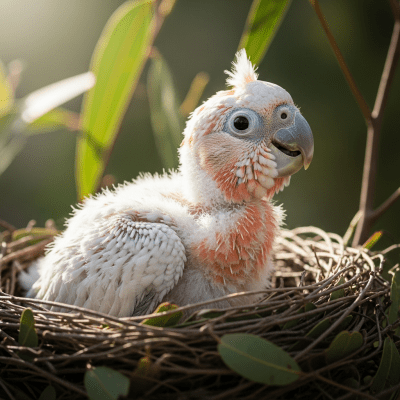
Cockatoos typically nest in tree hollows, laying 1–3 eggs per clutch. Their reproductive rate is slow compared to many other birds, with extended parental care. Lifespans often exceed 40 years in the wild, and their social structure supports complex family and flock dynamics throughout their lives.
Many cockatoo species face threats from habitat loss, illegal trade, and agricultural conflict. While some species remain common, others are listed as vulnerable or endangered by conservation authorities. Protection efforts focus on habitat preservation and regulating the pet trade to ensure their survival.
Cockatoos play vital ecological roles as seed dispersers and contributors to forest health. Economically, they are valued in aviculture and the pet trade, though their presence can be problematic in agriculture due to crop damage. Their cultural and ecological significance makes them important ambassadors for conservation in Australasia.
Cockatoos have a long history as companion animals, celebrated for their intelligence and affectionate temperament. Notable breeds and species include the Sulphur-crested Cockatoo, Major Mitchell's Cockatoo, and the black cockatoos of the genus Calyptorhynchus. Their domestication has led to widespread popularity in aviculture, but also raised concerns about welfare and conservation.