Budgerigar
The Budgerigar (Melopsittacus undulatus) is a small, sociable parrot native to Australia, celebrated worldwide as a vibrant pet and companion bird.
The Budgerigar (Melopsittacus undulatus) is a small, sociable parrot native to Australia, celebrated worldwide as a vibrant pet and companion bird.
Originating from the arid interior of Australia, the Budgerigar was first scientifically described by George Shaw in 1805. Wild populations thrive in open woodlands and grasslands, where they have adapted to harsh, drought-prone environments. Domestication began in the mid-19th century, especially in England, with breeders selecting for unique color mutations and gentle temperaments. While no single breeder is credited, the species’ journey from the Australian outback to homes around the globe is well documented in aviculture history.
The Budgerigar belongs to the order Psittaciformes, family Psittaculidae, and is the sole species in the genus Melopsittacus. As a member of the class Aves, it shares key traits with other parrots—such as a hooked beak and zygodactyl feet—but is distinguished by its small size and adaptability. Its scientific name, Melopsittacus undulatus, reflects its undulating barring and melodic vocalizations.
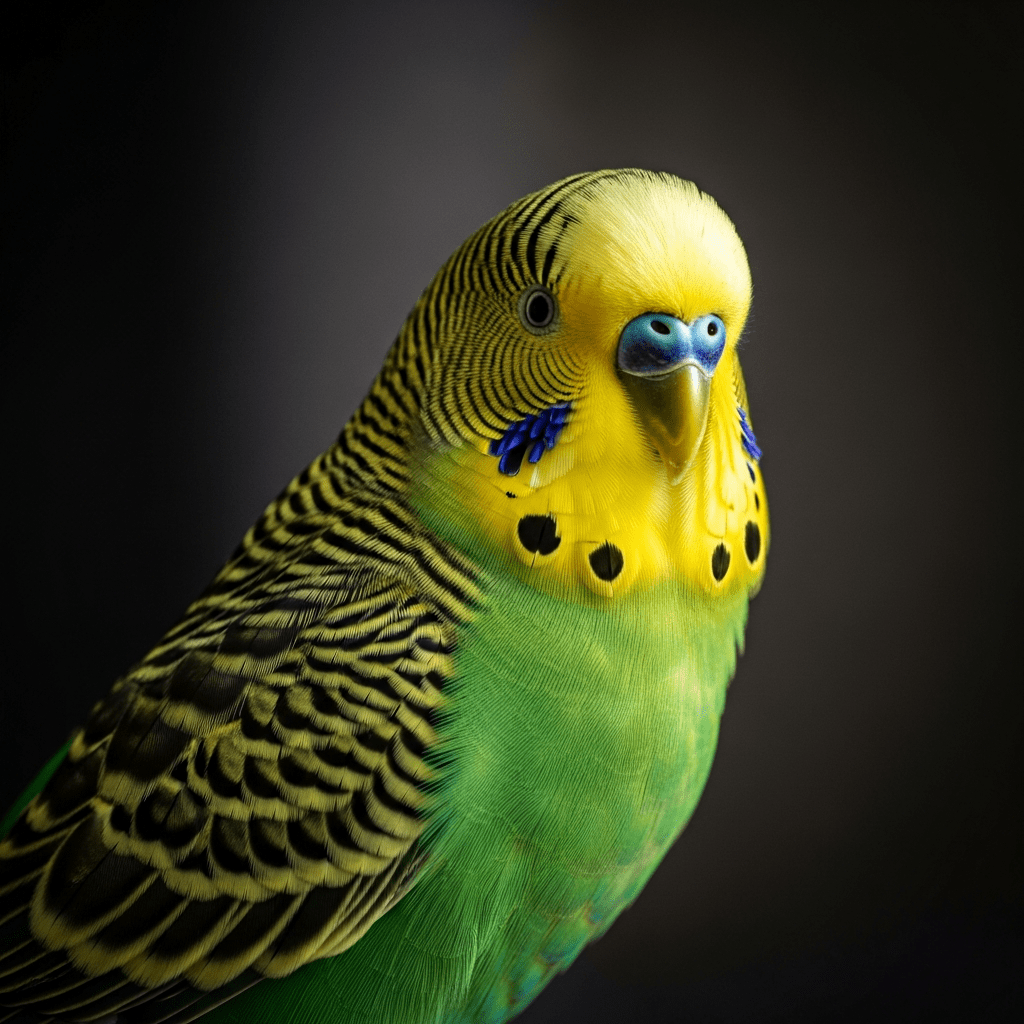
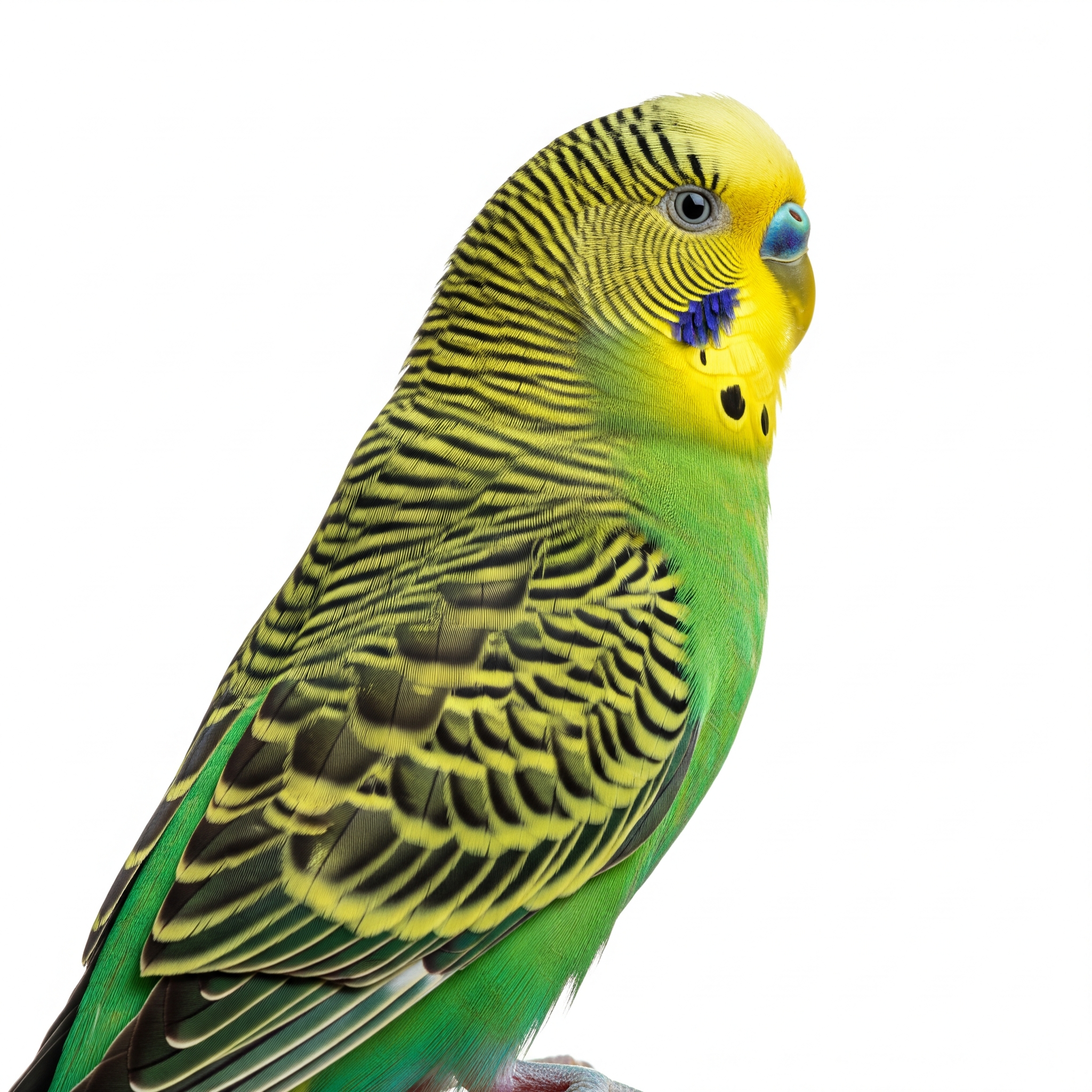
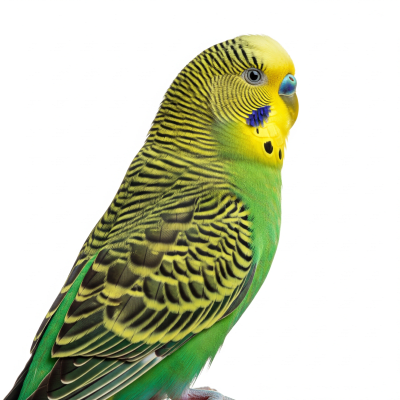
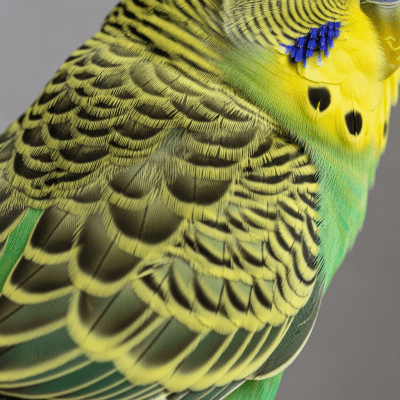
Budgerigars are petite parrots, measuring about 18 cm in length and weighing 30–40 grams. Wild birds display brilliant green plumage with black barring and yellow facial highlights, while domesticated varieties come in a dazzling array of colors—blue, white, yellow, and pied—thanks to selective breeding. Their slender bodies, long tail feathers, and expressive eyes give them a lively, delicate appearance. The hooked beak is perfectly adapted for cracking seeds, and their agile movements and playful postures make them a delight to observe.
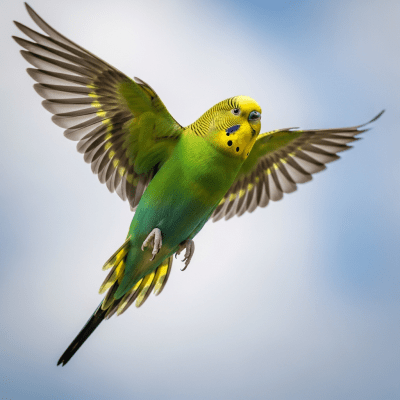
Budgerigars are highly social and thrive in flocks, both in the wild and in captivity. Their playful nature is evident in their constant activity, acrobatics, and interactive vocalizations. Notably, budgerigars can mimic human speech and sounds, making them engaging companions. As pets, they are valued for their gentle temperament, intelligence, and ease of care. In avian research, their adaptability and vocal learning abilities have made them important study subjects.
Bring this kind into your world � illustrated posters, mugs, and shirts.
Archival print, museum-grade paper
Buy Poster
Stoneware mug, dishwasher safe
Buy Mug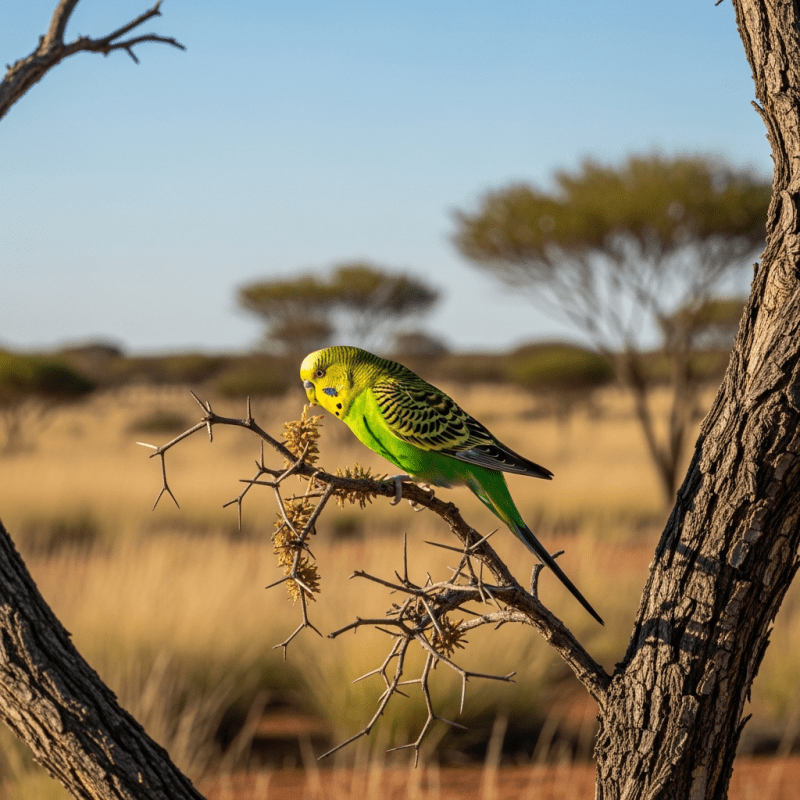
Soft cotton tee, unisex sizes
Buy ShirtBudgerigars hold a special place in popular culture, especially as symbols of companionship and affection. Their cheerful presence and ability to mimic speech have inspired countless works of art, literature, and even music. In Australia, the "budgie" is an iconic native species, while in Europe and North America, it is a beloved pet. The bird’s image often appears in decorative motifs, cartoons, and children’s stories, representing joy, sociability, and the beauty of nature.
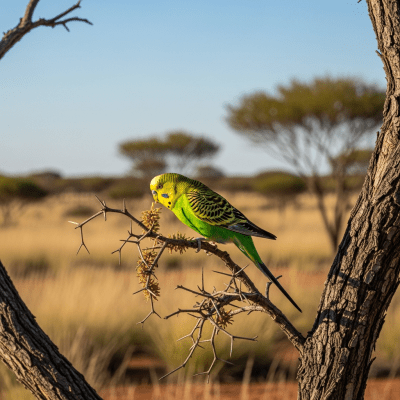
In the wild, budgerigars inhabit the open woodlands and grasslands of Australia’s arid interior, where they form large, nomadic flocks. Their natural range covers much of the continent, adapting to regions with sparse water and variable food supplies. Domesticated budgerigars are found worldwide, thriving as pets in homes across Europe, North America, and beyond.
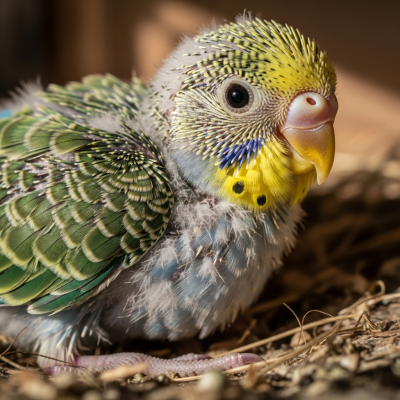
Budgerigars are primarily seed eaters, using their strong, hooked beaks to crack and consume a variety of grass seeds. In captivity, their diet is supplemented with formulated pellets, fresh vegetables, and occasional fruits to ensure balanced nutrition. Their feeding behavior is active and social, often seen foraging together in groups.
Budgerigars breed prolifically, with females typically laying clutches of 4–8 eggs. Nesting occurs in tree hollows or cavities, and chicks develop rapidly, fledging within a few weeks. In the wild, breeding is often timed with periods of rainfall, which ensure abundant food. Domesticated budgerigars can breed year-round under suitable conditions, contributing to their popularity and diversity as pets.
Budgerigars are not considered threatened; wild populations are stable and widespread across Australia. Their adaptability to arid environments and nomadic lifestyle help buffer them against habitat changes. In captivity, however, they may be susceptible to respiratory and viral diseases, underscoring the importance of proper care.
Economically, budgerigars are among the most valuable birds in the pet trade, prized for their engaging personalities and ease of care. They also contribute to avian research and education. Ecologically, wild budgerigars play a role in seed dispersal and serve as prey for native predators, helping maintain the balance of Australia’s grassland ecosystems.
Budgerigars have been domesticated since the mid-1800s, with breeders in Europe and North America developing a wide array of color mutations and regional varieties. Domesticated budgerigars differ from their wild counterparts in plumage, size, and temperament, reflecting generations of selective breeding for companionship and ornamental traits.