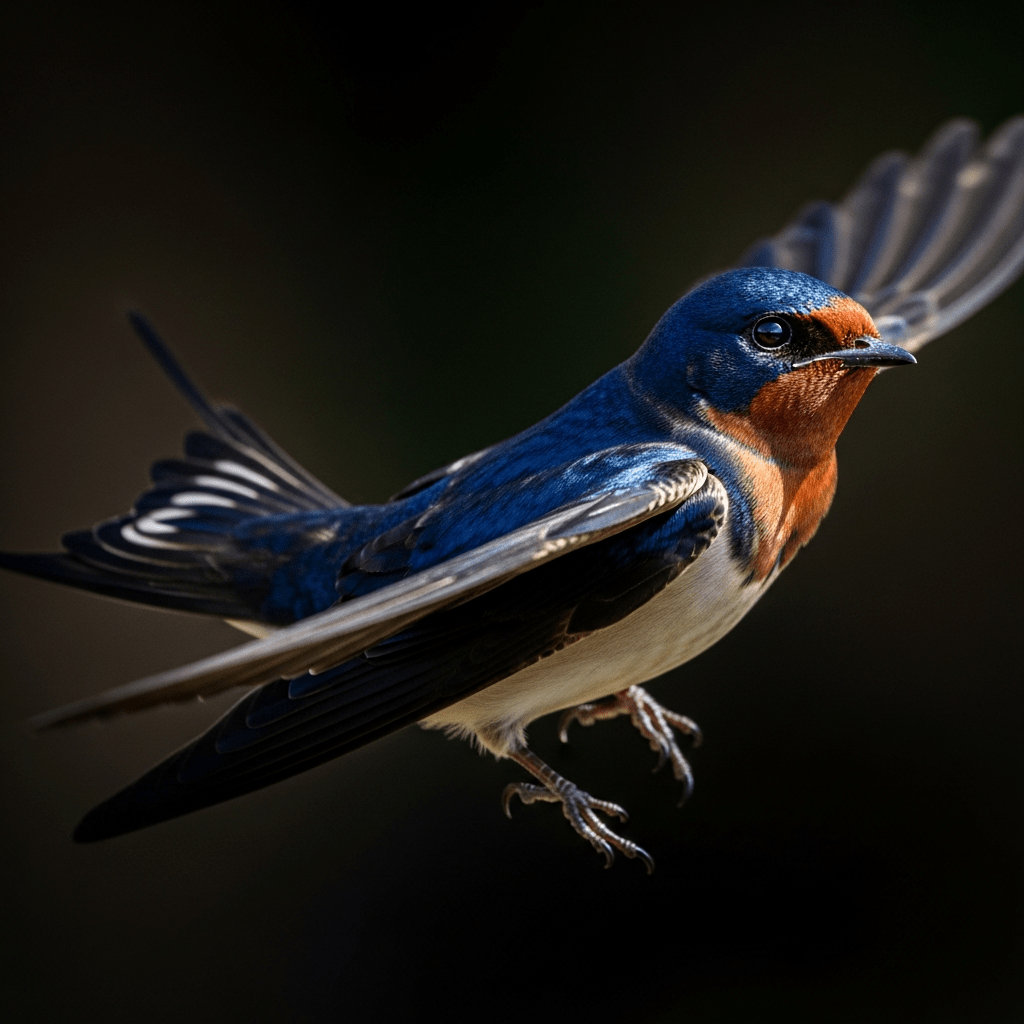
Barn Swallow
The Barn Swallow (Hirundo rustica) is a widely distributed migratory songbird, instantly recognized by its deeply forked tail and swift, acrobatic flight.
The Barn Swallow (Hirundo rustica) is a widely distributed migratory songbird, instantly recognized by its deeply forked tail and swift, acrobatic flight.
First formally described by Carl Linnaeus in 1758, the Barn Swallow is a wild species with ancient roots in the genus Hirundo of the family Hirundinidae. Its natural history spans continents, with breeding populations across the Northern Hemisphere and wintering grounds in the Southern Hemisphere. The species’ origin reflects a cosmopolitan adaptation to open landscapes and proximity to human settlements, making it one of the most successful and widespread swallows in the world.
The Barn Swallow belongs to the order Passeriformes, family Hirundinidae, genus Hirundo, and species rustica. As a member of the passerines (perching birds), it shares evolutionary ties with a vast group of songbirds. Its classification is supported by leading ornithological authorities, and several regional subspecies are recognized, reflecting its broad geographic range and adaptability.
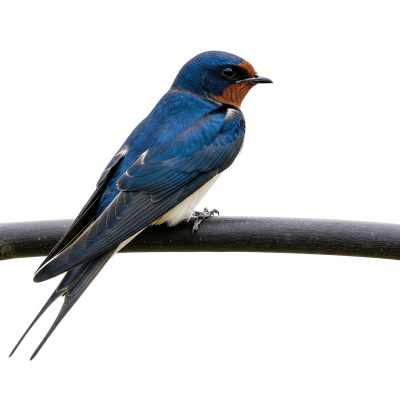
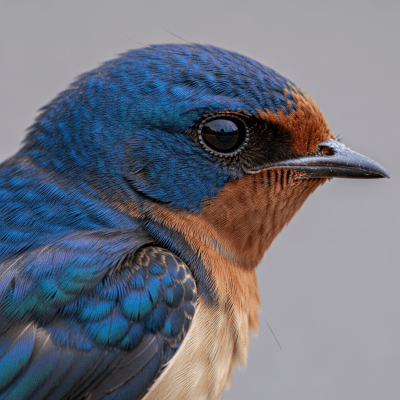
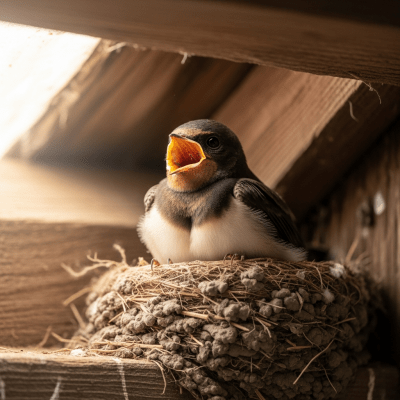
Barn Swallows are small, elegant birds measuring about 17–19 cm in length with a wingspan of 32–34 cm. Their plumage features glossy blue-black upperparts, a rufous forehead and throat, pale underparts, and a distinctive deeply forked tail with elongated outer feathers. Their streamlined bodies and long wings are perfectly suited for rapid, agile flight, while their striking coloration and tail shape make them unmistakable in the field.
Renowned for their aerial agility, Barn Swallows spend much of their lives on the wing, expertly catching insects in midair. They are highly migratory, traveling thousands of kilometers between breeding and wintering grounds. Adaptable to human environments, they often build cup-shaped mud nests on buildings, bridges, and other structures. Their presence is welcomed for natural pest control, as they consume vast numbers of flying insects.
Bring this kind into your world � illustrated posters, mugs, and shirts.
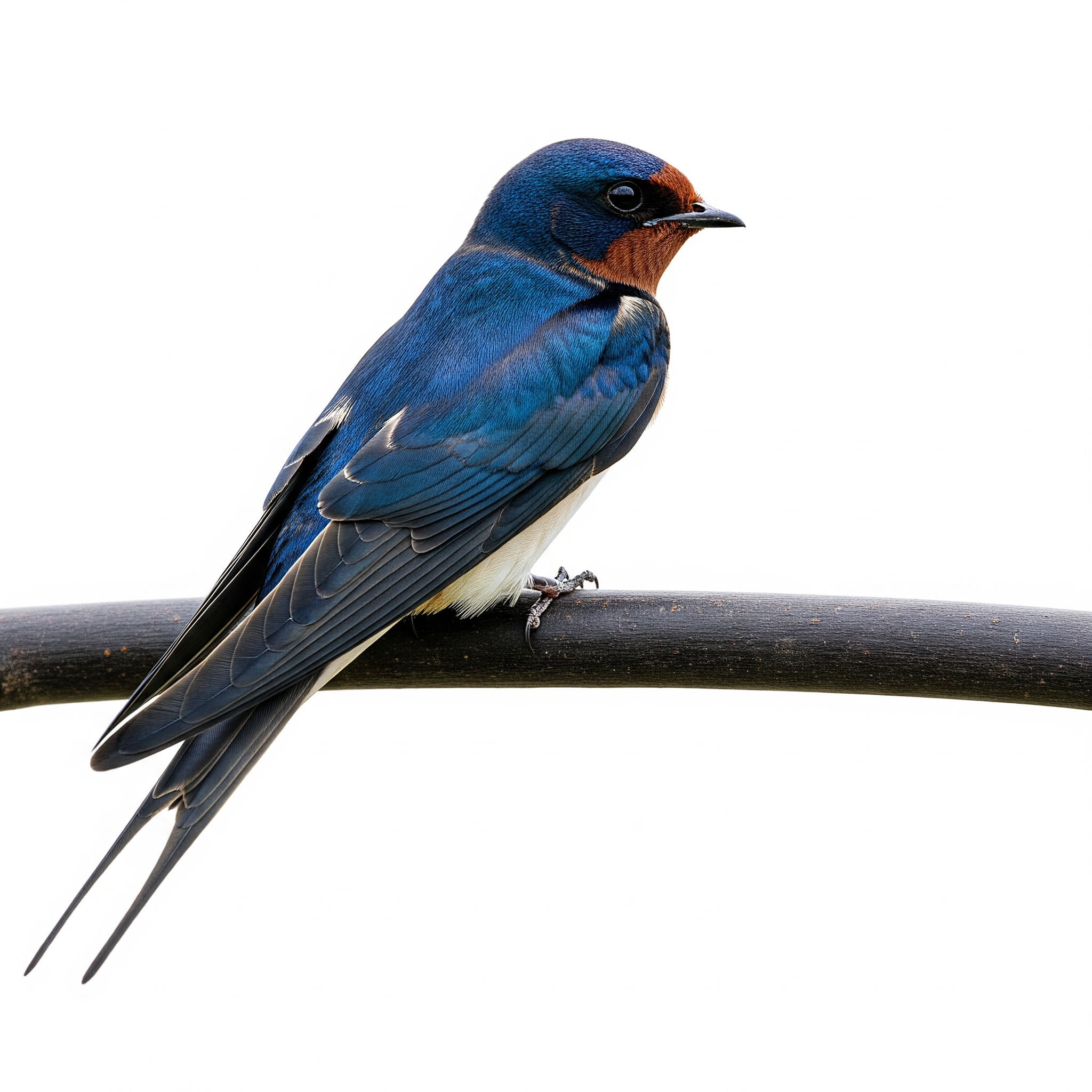
Archival print, museum-grade paper
Buy Poster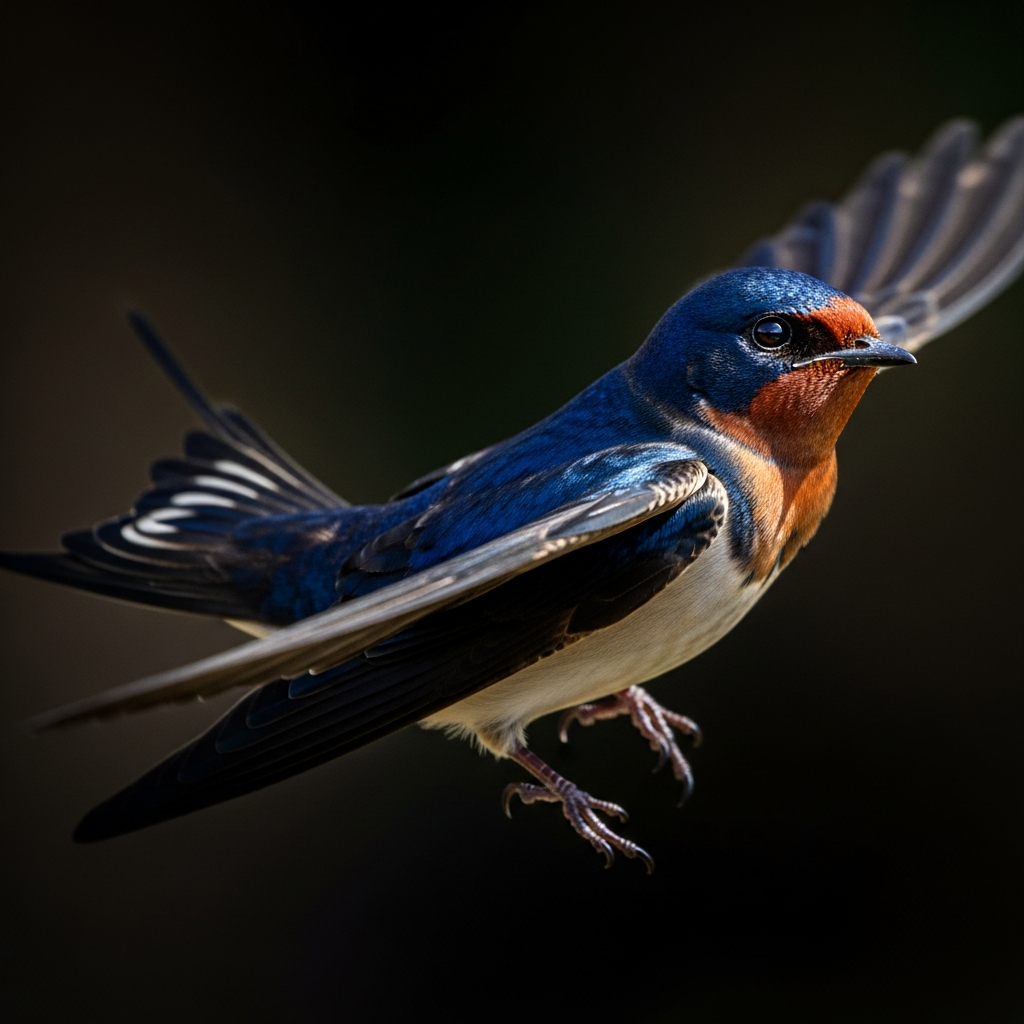
Stoneware mug, dishwasher safe
Buy Mug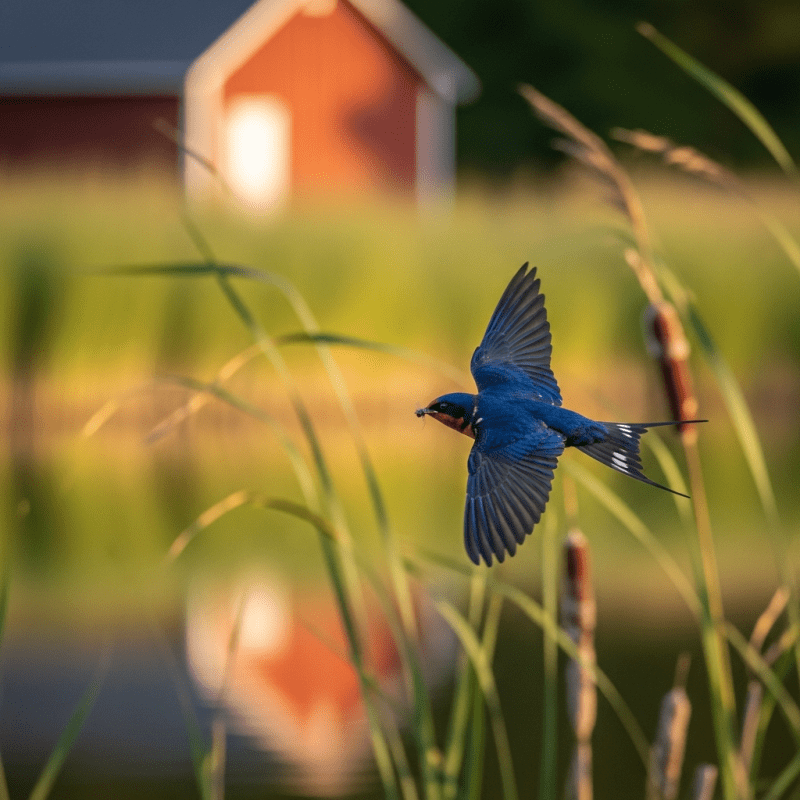
Soft cotton tee, unisex sizes
Buy ShirtThe Barn Swallow has long been celebrated in folklore, art, and literature as a symbol of good luck and the arrival of spring. Its return each year is often seen as a harbinger of renewal and prosperity. Across cultures, swallows are associated with hope, safe travel, and domestic harmony, appearing in poetry, visual arts, and even heraldry. Their close association with humans and visible nesting habits have made them beloved and familiar birds worldwide.
Barn Swallows thrive in open country, farmland, grasslands, and human settlements. Their global distribution is vast: they breed across the Northern Hemisphere—including North America, Europe, Asia, and North Africa—and migrate to wintering grounds in the Southern Hemisphere, such as South America, southern Africa, and southern Asia. Their adaptability to nesting near humans has helped them colonize a wide range of environments.
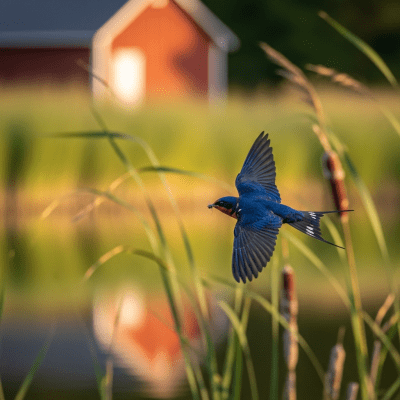
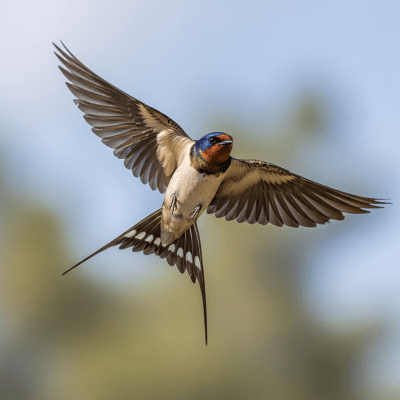
Barn Swallows are aerial insectivores, feeding almost exclusively on flying insects such as flies, beetles, and moths. Their fast, acrobatic flight enables them to catch prey on the wing, often in open areas or above water. This feeding behavior makes them important natural pest controllers in agricultural and rural landscapes.
During spring and summer, Barn Swallows breed by constructing cup-shaped mud nests, typically on buildings or other vertical surfaces. A typical clutch contains around four eggs. Both parents share incubation and feeding duties. After hatching, the young fledge in about three weeks. The species is known for its high site fidelity, often returning to the same nesting locations year after year. Lifespan in the wild varies, but most individuals live several years, with some surviving up to a decade.
The Barn Swallow is currently not considered threatened and enjoys a stable global population. Its adaptability to human environments and wide distribution contribute to its resilience. However, local declines may occur due to habitat loss, pesticide use, or changes in agricultural practices that reduce insect availability.
Barn Swallows play a vital ecological role by controlling populations of flying insects, benefiting agriculture and reducing pest-related issues. Their presence is often welcomed by farmers and rural communities. While they have no direct economic value in terms of trade or consumption, their indirect contributions to pest management and their cultural symbolism make them important in both ecological and human contexts.
The Barn Swallow is a wild species with no history of domestication. However, several regional subspecies are recognized, including H. r. erythrogaster (North America), H. r. gutturalis (Asia), and others. These subspecies reflect geographic variation in plumage and migration patterns, but all share the key traits of the species.
Common names for the Barn Swallow include "Swallow," "Barn Swallow," "European Swallow," and "Common Swallow." Scientific synonyms include Hirundo rustica Linnaeus, 1758. Regional names and subspecies designations vary, reflecting its global presence and local adaptations.