Black-eyed pea
The black-eyed pea is a pale, kidney-shaped legume seed distinguished by its characteristic black spot, valued worldwide for its adaptability, nutrition, and culinary versatility.
The black-eyed pea is a pale, kidney-shaped legume seed distinguished by its characteristic black spot, valued worldwide for its adaptability, nutrition, and culinary versatility.
Originating in West Africa several thousand years ago, the black-eyed pea was domesticated as a staple crop before being introduced to the Americas through the transatlantic slave trade, where it became deeply integrated into Southern U.S. cuisine and other regional food traditions.
Botanically classified as Vigna unguiculata subspecies unguiculata, the black-eyed pea belongs to the Fabaceae family and is commonly referred to as a bean in culinary contexts despite its cowpea lineage.
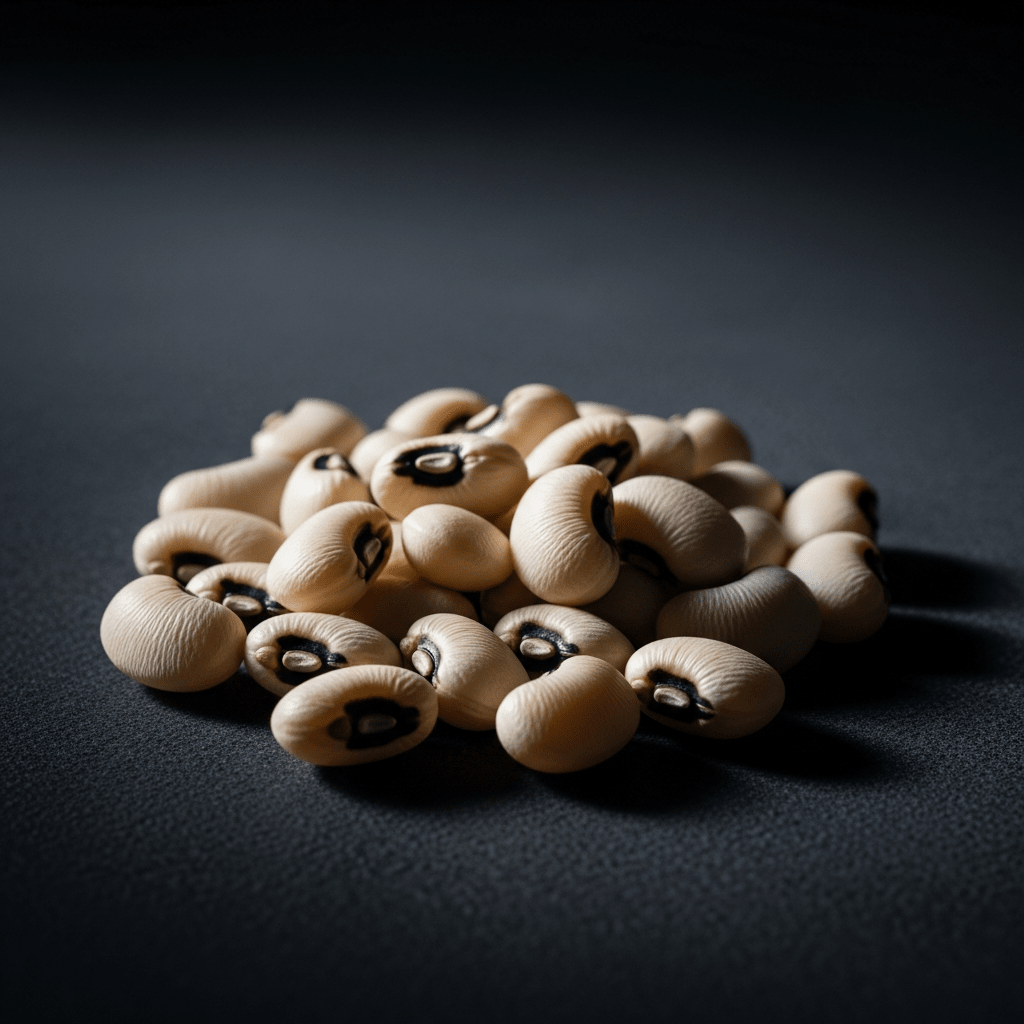
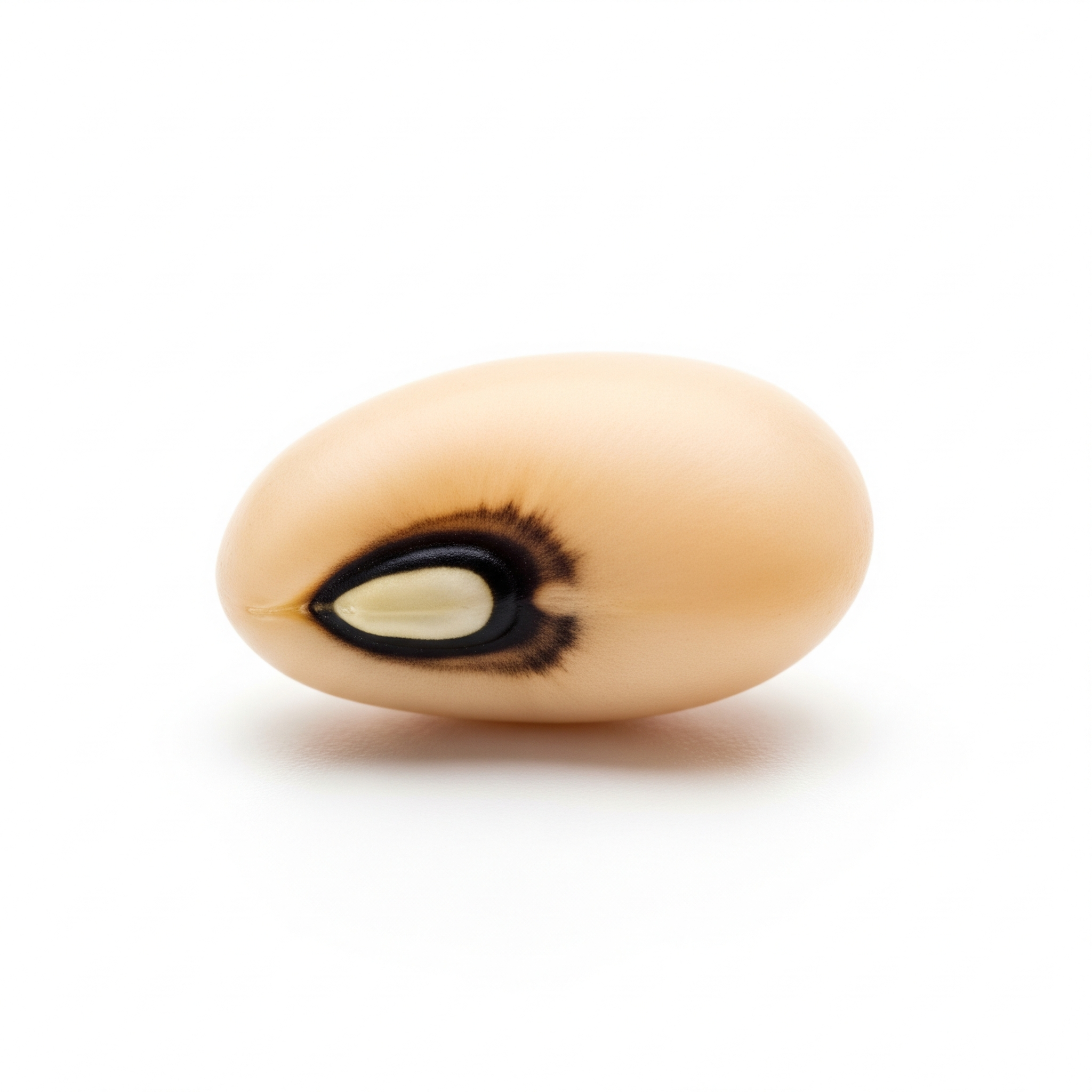
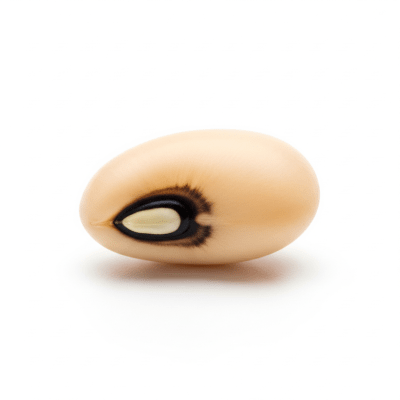
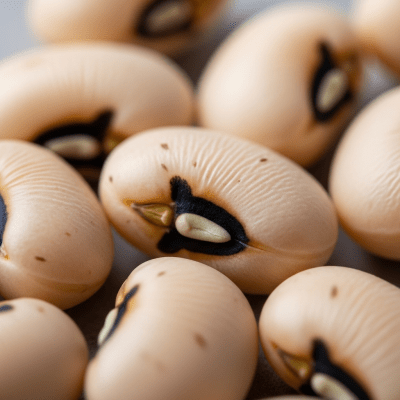
Black-eyed peas are small, kidney-shaped seeds with a smooth coat that ranges from cream to pale tan, marked by a distinctive black hilum or "eye." The plants themselves vary by variety, growing as bushy or vining annual herbs.
Adapted to warm climates and drought-prone soils, black-eyed peas are cultivated for their reliable yields and nitrogen-fixing ability. They serve as a versatile food source consumed fresh, dried, canned, or sprouted, featuring prominently in diverse dishes worldwide.
Bring this kind into your world � illustrated posters, mugs, and shirts.
Archival print, museum-grade paper
Buy Poster
Stoneware mug, dishwasher safe
Buy Mug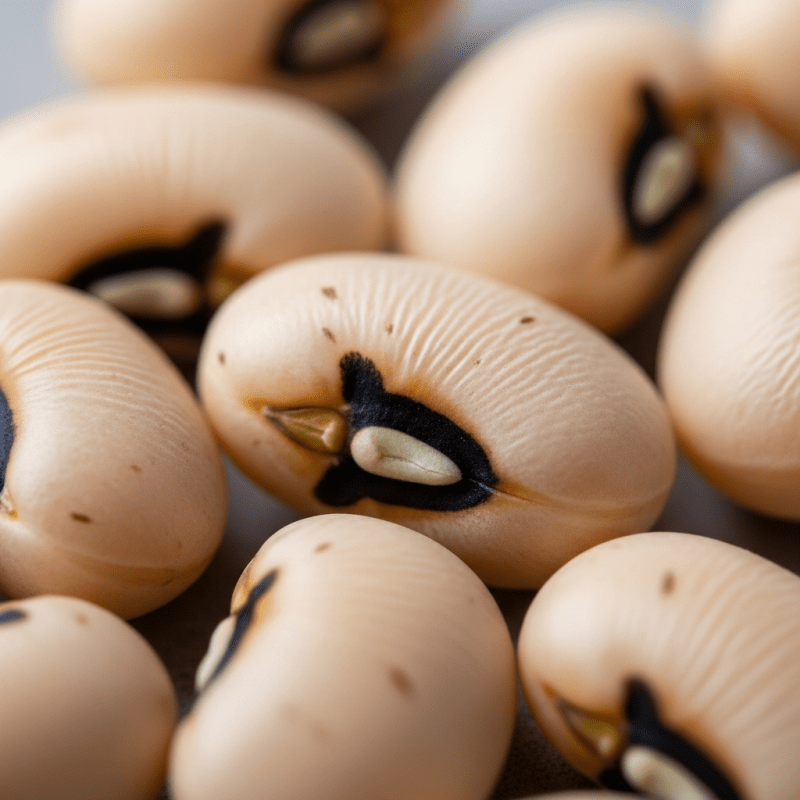
Soft cotton tee, unisex sizes
Buy ShirtDeeply embedded in African, American, and Asian culinary traditions, black-eyed peas symbolize prosperity and good luck in Southern U.S. culture, especially during New Year's celebrations, and are celebrated in dishes like Hoppin' John and West African akara.
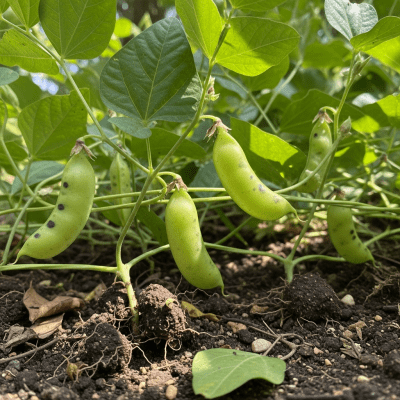
The black-eyed pea plant is an annual herbaceous legume that can grow as either a bush or vining form depending on the variety. Its seeds are kidney-shaped, typically cream or pale tan with a prominent black hilum. The species thrives in warm temperatures and is notably drought tolerant. Seeds store well when dried, though the plant is moderately vulnerable to pests such as the cowpea weevil and diseases like mosaic viruses.


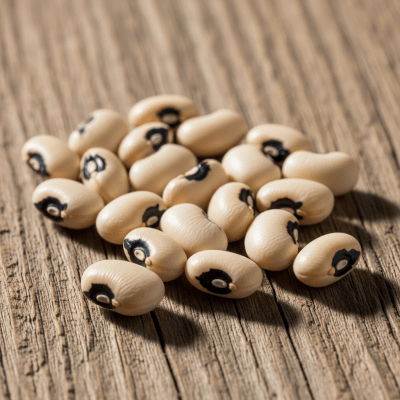
Black-eyed peas are commonly available dried, canned, or fresh. They feature in traditional dishes such as Hoppin' John in the American South, akara fritters in West Africa, and a variety of stews and salads worldwide. Their mild flavor and creamy texture make them versatile in many culinary applications. Nutritionally, they provide valuable protein, fiber, and essential micronutrients. Commercially, they are significant in markets across Africa, Asia, and the Americas.
While numerous landraces and regional cultivars of black-eyed peas exist, there is no centralized breeder or institution credited with their development. These varieties have evolved locally over centuries, adapted to diverse climates and cultural preferences.
To successfully cultivate black-eyed peas, plant in warm soils with good drainage and full sun exposure. Their drought tolerance allows growth in marginal conditions, but regular watering during flowering and pod development improves yields. Crop rotation and pest monitoring are advised to manage vulnerabilities to cowpea weevil and mosaic viruses.
Dried black-eyed peas store well under cool, dry conditions, maintaining viability and quality for extended periods. Protecting stored seeds from pests such as the cowpea weevil is essential. Canned and fresh forms should be refrigerated and consumed promptly to preserve texture and flavor.