
Common Midwife Toad
The Common Midwife Toad (Alytes obstetricans) is a small, terrestrial amphibian native to Western Europe, celebrated for its extraordinary parental care: males carry fertilized eggs on their hind legs until hatching.
The Common Midwife Toad (Alytes obstetricans) is a small, terrestrial amphibian native to Western Europe, celebrated for its extraordinary parental care: males carry fertilized eggs on their hind legs until hatching.
First described by Josephus Nicolaus Laurenti in 1768, the Common Midwife Toad originated in the temperate regions of Western Europe, including Spain, Portugal, France, Belgium, Germany, Switzerland, and the Netherlands. Its lineage traces to the family Alytidae, and it stands as the type species for the genus Alytes, with several subspecies recognized across its range.
This species belongs to the class Amphibia, order Anura (frogs and toads), family Alytidae, and genus Alytes. As a member of the midwife toads, it is distinguished within amphibians by its reproductive strategy and terrestrial lifestyle, representing a key branch of evolutionary diversity among European amphibians.
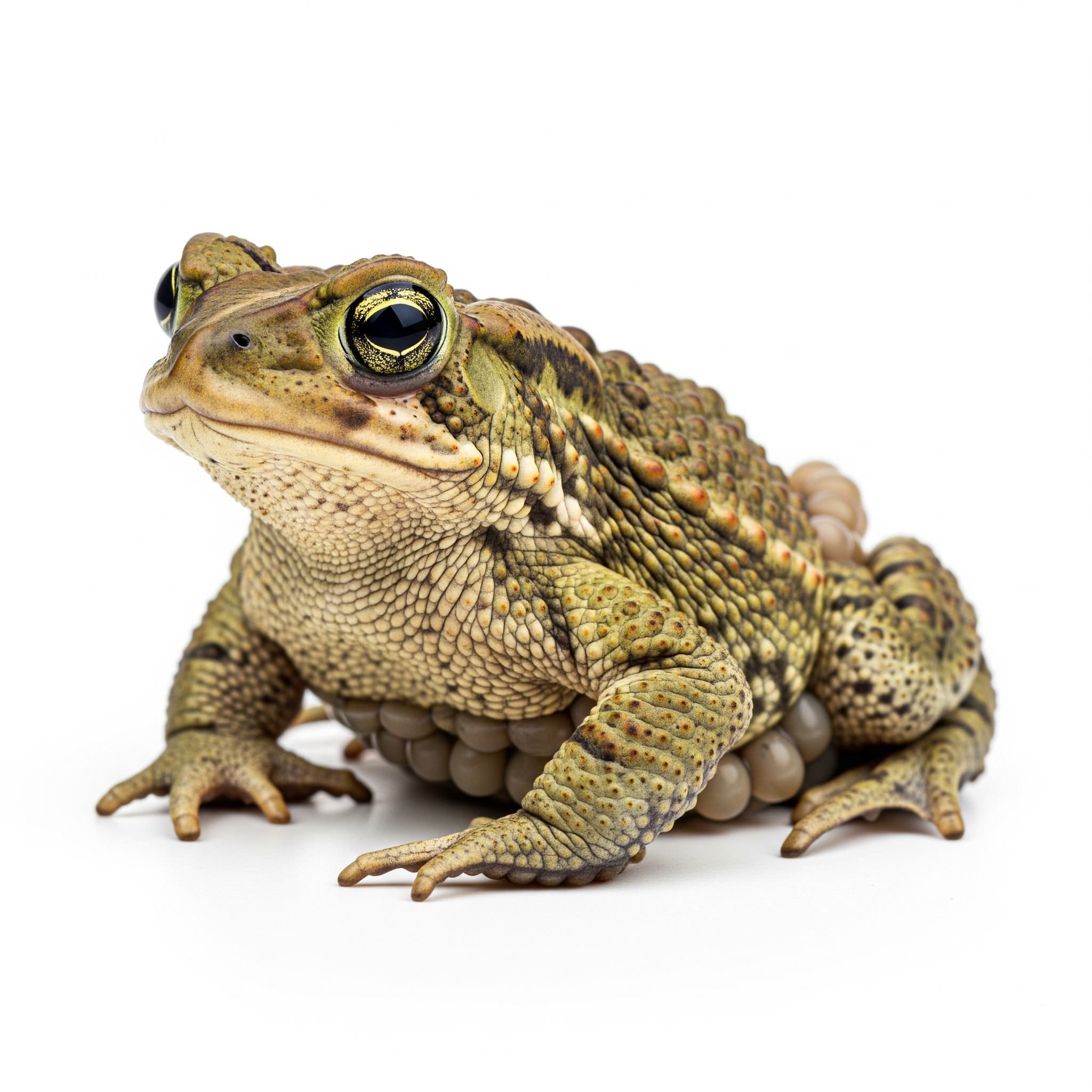
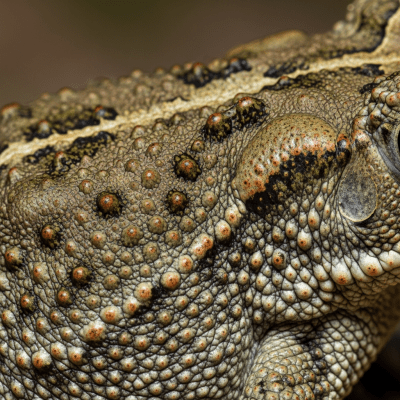
The Common Midwife Toad is a small, robust-bodied amphibian, typically measuring 4–5 cm in length. Its skin is granular and warty, colored in shades of grey to brown with lighter underparts. Prominent eyes with vertical pupils give it a distinctive, alert expression. Short limbs and a compact form make it well-adapted to terrestrial life, often found sheltering in loose soils and crevices.
Primarily nocturnal, the Common Midwife Toad emerges at night to forage for small invertebrates. Its most remarkable behavior is paternal care: males wrap fertilized egg strings around their hind legs and carry them for several weeks, protecting the eggs from predators and desiccation until hatching. Adults are terrestrial, seeking shelter during the day, while tadpoles develop in aquatic environments. The species is not used in culinary contexts but is valued for ecological research and educational exhibits.
Bring this kind into your world � illustrated posters, mugs, and shirts.
Archival print, museum-grade paper
Buy Poster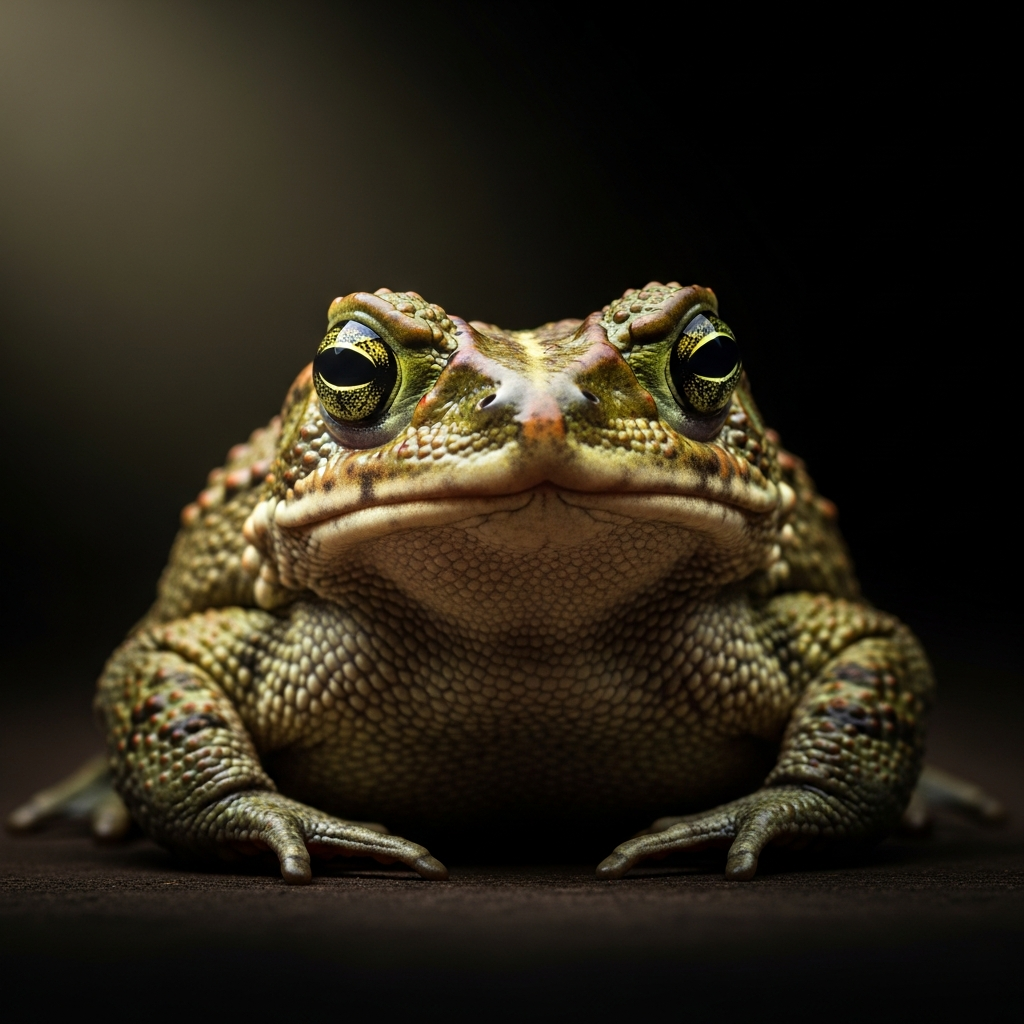
Stoneware mug, dishwasher safe
Buy Mug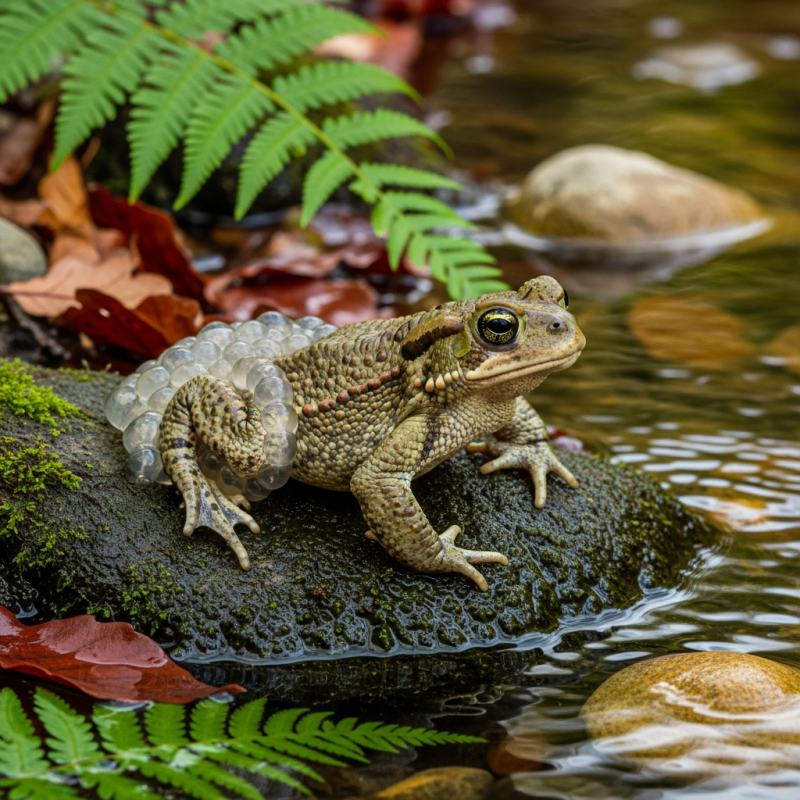
Soft cotton tee, unisex sizes
Buy ShirtThe unique reproductive habits of the Common Midwife Toad have inspired its common names in various languages, such as "Sapo partero" in Spanish and "Geburtshelferkröte" in German, both referencing its "midwife" role. Its melodious call is a familiar sound in rural European landscapes, and the species often features in local folklore and nature education as a symbol of parental care and environmental health.
The Common Midwife Toad inhabits terrestrial environments with loose soils, crevices, and sheltered areas, favoring regions that provide both dry land for adults and nearby water bodies for tadpole development. Its distribution spans much of Western Europe, including Spain, Portugal, France, Belgium, Germany, Switzerland, and the Netherlands, with subspecies adapted to local conditions.
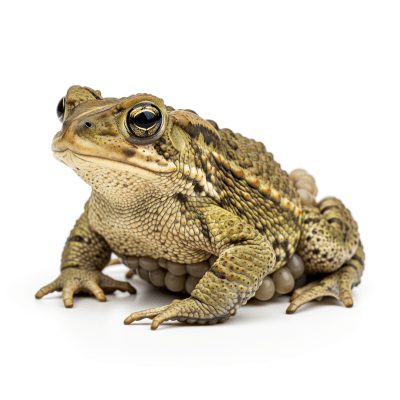
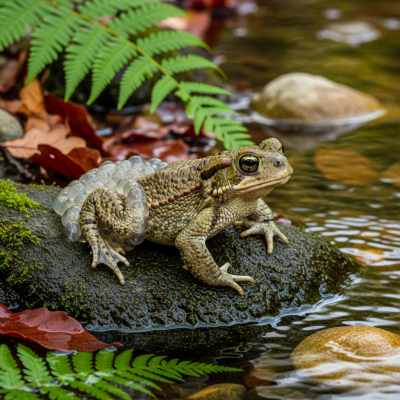
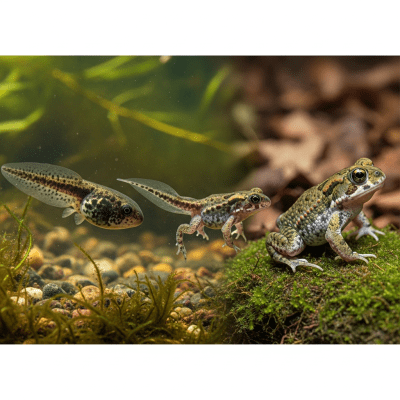
Reproduction is marked by the male's extraordinary parental role: after fertilization, he wraps egg strings around his hind legs and carries them for 3–8 weeks, protecting them from threats. When ready to hatch, he deposits the eggs in water, where the aquatic larval stage begins. Tadpoles grow and metamorphose into terrestrial adults, completing a dual aquatic-terrestrial life cycle typical of amphibians.
Adult Common Midwife Toads feed on small invertebrates such as insects, worms, and spiders, foraging primarily at night. Tadpoles graze on algae and detritus in aquatic habitats, contributing to nutrient cycling and water quality.
As both predator and prey, the Common Midwife Toad is integral to local food webs. It helps control invertebrate populations and provides food for birds, mammals, and reptiles. Its sensitivity to environmental changes makes it a valuable bioindicator, alerting researchers to ecosystem health and pollution levels. The species is also a subject of behavioral and conservation studies, enhancing scientific understanding of amphibian ecology.
While the Common Midwife Toad remains widespread across Western Europe, local populations have declined due to habitat loss, disease (notably chytridiomycosis), and pollution. Conservation efforts focus on habitat protection, disease monitoring, and public education to safeguard remaining populations. Its status is regularly assessed by authorities such as the IUCN and regional conservation bodies.
Major threats to the Common Midwife Toad include chytridiomycosis, habitat fragmentation, and environmental pollution. Despite its unique reproductive adaptations, the species is sensitive to changes in land use and water quality. Conservation measures and its role as a bioindicator offer hope for resilience, but ongoing vigilance is required to address emerging challenges.
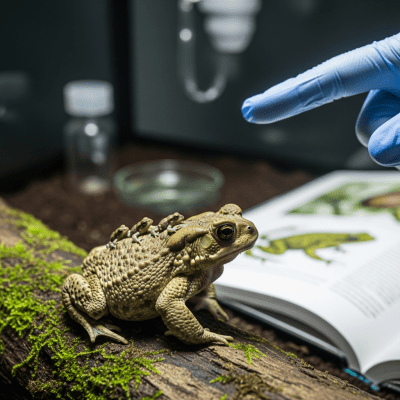
Humans interact with the Common Midwife Toad primarily through research, conservation, and education. It is occasionally kept in captivity for behavioral studies or as an educational exhibit but is not traded commercially nor used in culinary contexts. Its presence in local folklore and nature programs highlights its role in fostering environmental awareness.
The Common Midwife Toad is not considered invasive or regulated outside its native range. No significant populations have been reported as invasive, and its distribution remains largely confined to Western Europe.