Cane Toad
The Cane Toad (Rhinella marina) is a large, robust amphibian renowned for its adaptability, potent toxins, and dramatic impact as an invasive species in regions such as Australia.
The Cane Toad (Rhinella marina) is a large, robust amphibian renowned for its adaptability, potent toxins, and dramatic impact as an invasive species in regions such as Australia.
Originally native to Central and South America, the Cane Toad was first described by Carl Linnaeus in 1758. Its introduction to non-native areas, most famously Australia in 1935, was a deliberate act by agricultural authorities aiming to control cane beetle infestations. This well-intentioned move inadvertently set the stage for one of the world’s most notorious amphibian invasions, as the species rapidly established itself far beyond its intended range.
The Cane Toad belongs to the class Amphibia, order Anura (frogs and toads), family Bufonidae, and genus Rhinella. Its scientific name is Rhinella marina (Linnaeus, 1758), with the historical synonym Bufo marinus. This places it among the true toads, a group distinguished by their warty skin and terrestrial habits.
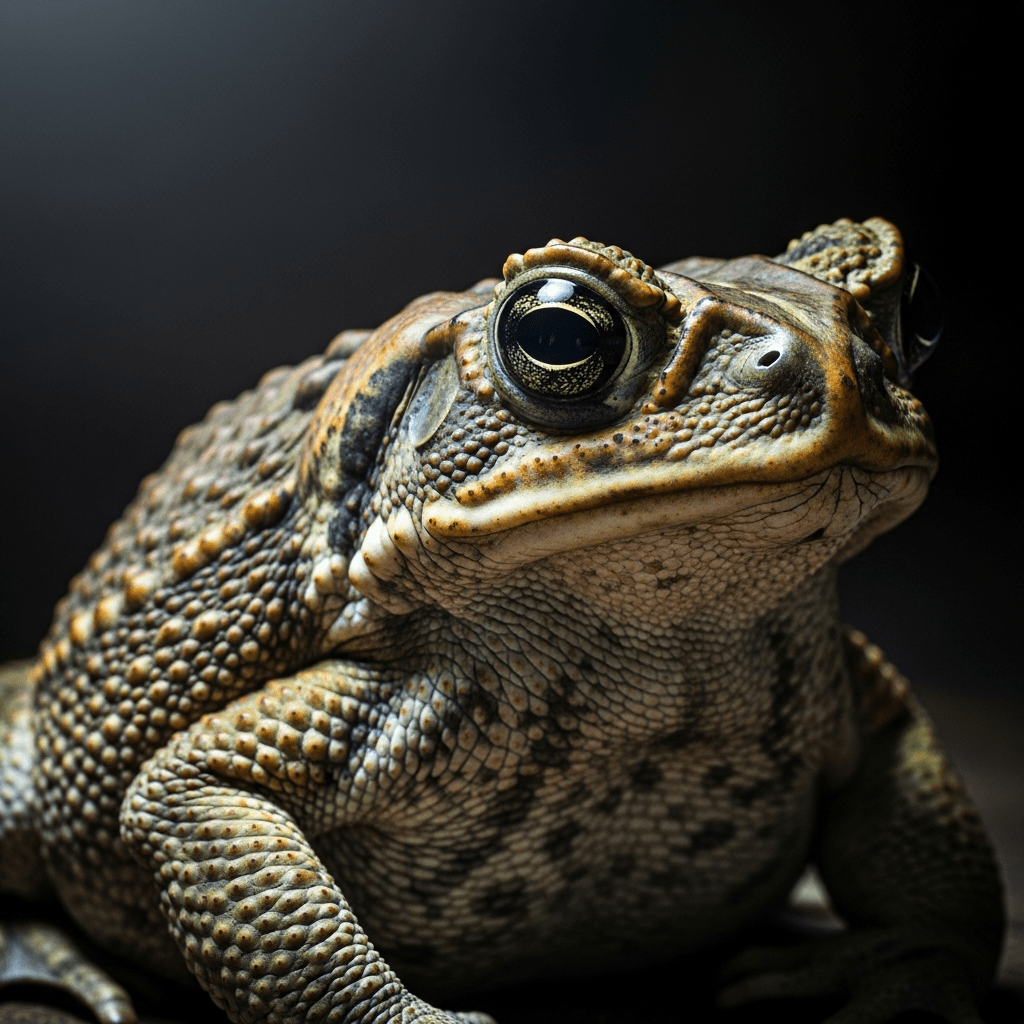
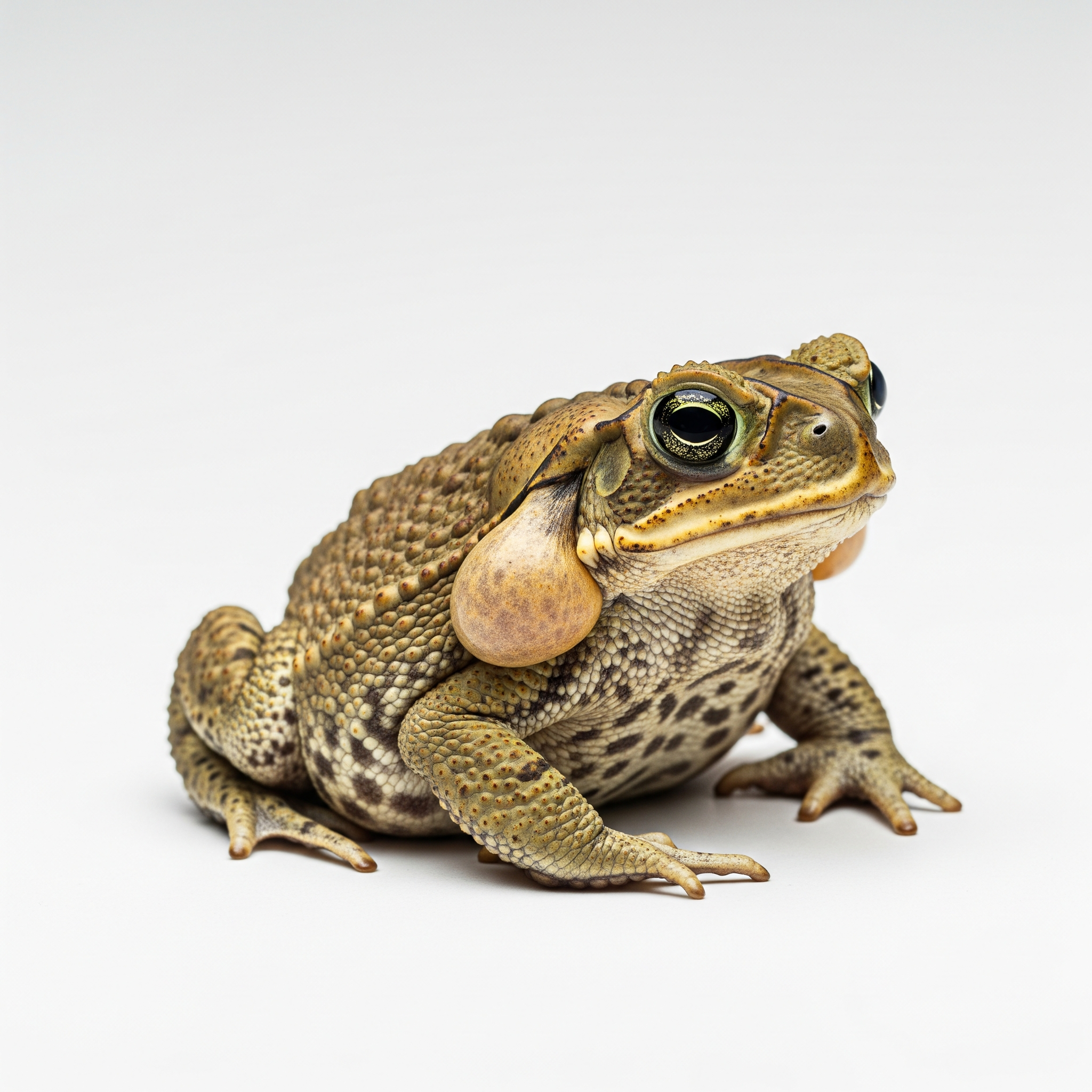
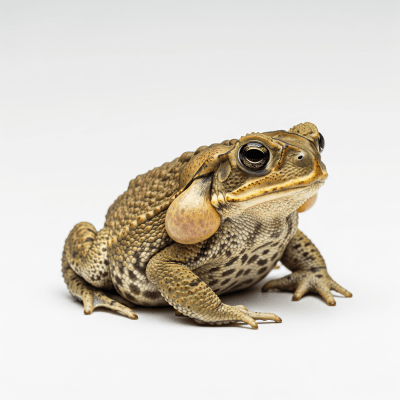
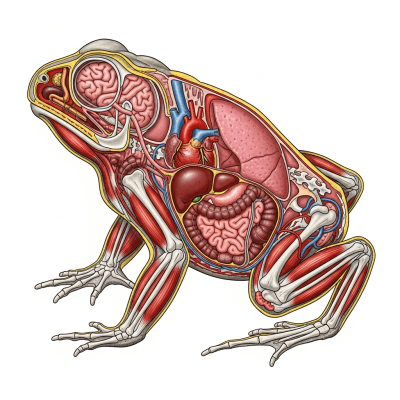
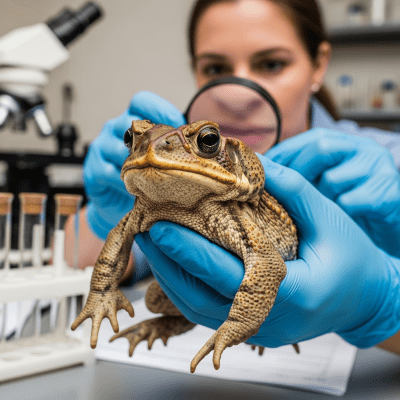
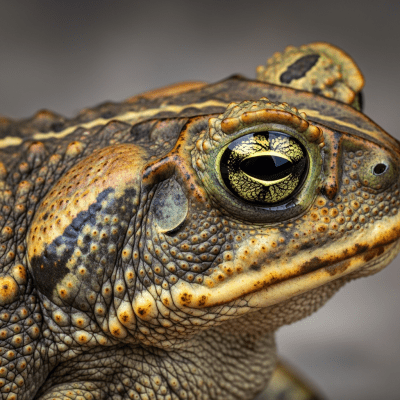
Cane Toads are visually striking: their stout, muscular bodies are covered in warty, olive-brown to grey skin, often with lighter underbellies. Prominent parotoid glands sit behind the eyes, secreting powerful bufotoxins. Adults typically measure 10–15 cm, with some giants exceeding 23 cm and weighing up to 2.5 kg. Their form is unmistakably robust, built for terrestrial life but always near water for breeding.
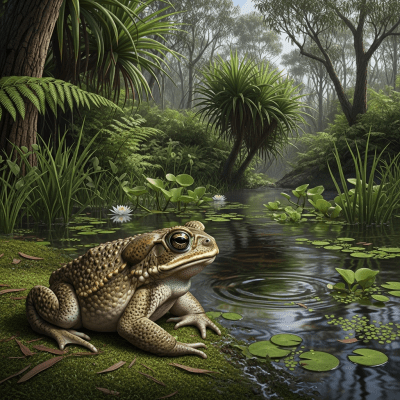
Highly adaptable, Cane Toads thrive in a variety of habitats, from wetlands to urban gardens. They are primarily terrestrial but require water for breeding, where females lay thousands of eggs in long gelatinous strings. Omnivorous and opportunistic, they feed on insects, small animals, and carrion. Their bufotoxins deter most predators, making them formidable survivors. Human usage is limited due to toxicity, though dried skins have ceremonial roles in some cultures.
Bring this kind into your world � illustrated posters, mugs, and shirts.
Archival print, museum-grade paper
Buy Poster
Stoneware mug, dishwasher safe
Buy Mug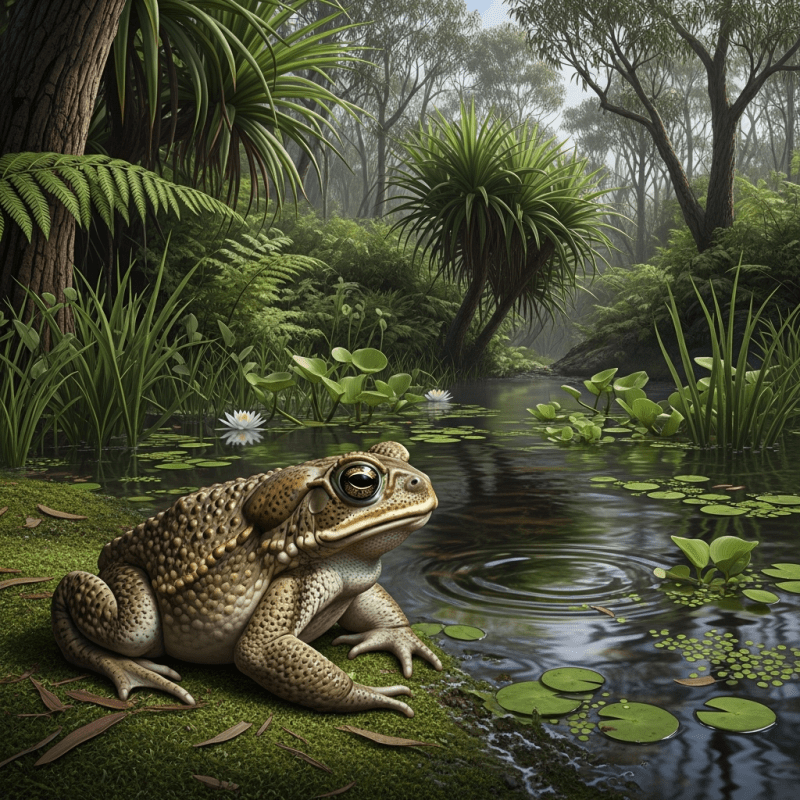
Soft cotton tee, unisex sizes
Buy ShirtThe Cane Toad is a prominent figure in Australian popular culture, often symbolizing ecological caution and invasive species management. Its rapid spread and environmental impact have inspired documentaries, satirical art, and even annual events aimed at raising awareness. In indigenous traditions, dried skins have ceremonial uses, but the toad’s notoriety largely stems from its disruptive presence in new ecosystems.
Native to Central and South America, Cane Toads have been introduced to many regions worldwide, including Australia, Pacific islands, and parts of Southeast Asia. They thrive in terrestrial habitats but require water for breeding, and are highly tolerant of disturbed environments such as agricultural land, urban areas, and wetlands.
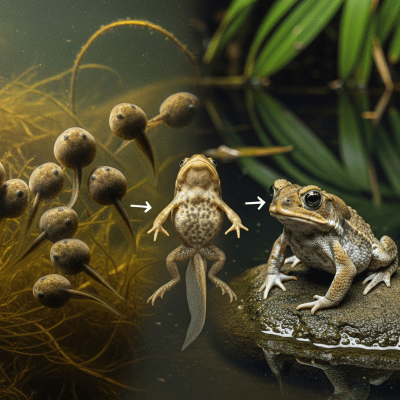
Cane Toads exhibit a classic amphibian life cycle: adults breed in water, where females lay thousands of eggs in long gelatinous strings. Tadpoles hatch and develop in aquatic environments before metamorphosing into terrestrial adults. Their reproductive output is immense, contributing to their rapid population growth in suitable habitats.
Omnivorous by nature, Cane Toads consume a wide range of food, including insects, small vertebrates, and carrion. Their opportunistic feeding habits allow them to exploit diverse environments and outcompete native species for resources.
In their native range, Cane Toads play a role in controlling insect populations and serve as prey for specialized predators. However, in regions where they are invasive, such as Australia, they disrupt local ecosystems by poisoning native fauna, outcompeting other amphibians, and altering food webs. Their presence often signals ecological imbalance and the need for active management.
Globally, the Cane Toad is listed as a species of Least Concern due to its wide distribution and adaptability. However, its proliferation in non-native regions has prompted significant conservation efforts to protect affected native species and restore ecological balance.
Cane Toads are remarkably resilient, with strong resistance to dehydration and the ability to colonize new environments rapidly. Their main vulnerability is extreme cold, which limits their spread. The species faces few natural predators due to its toxins, but ongoing management seeks to curb its impact in invaded regions.
Direct human use of Cane Toads is rare due to their toxicity. Some indigenous cultures utilize dried skins ceremonially, but commercial or culinary use is minimal. Most human interaction involves management and mitigation, as the species poses risks to pets, wildlife, and agricultural systems. Research into their toxins has contributed to scientific understanding of amphibian defenses.
The Cane Toad is widely recognized as an invasive species, particularly in Australia and the Pacific. Its introduction has led to severe ecological disruption, prompting regulatory controls and ongoing eradication efforts. Management strategies focus on limiting its spread and mitigating its impact on native biodiversity.