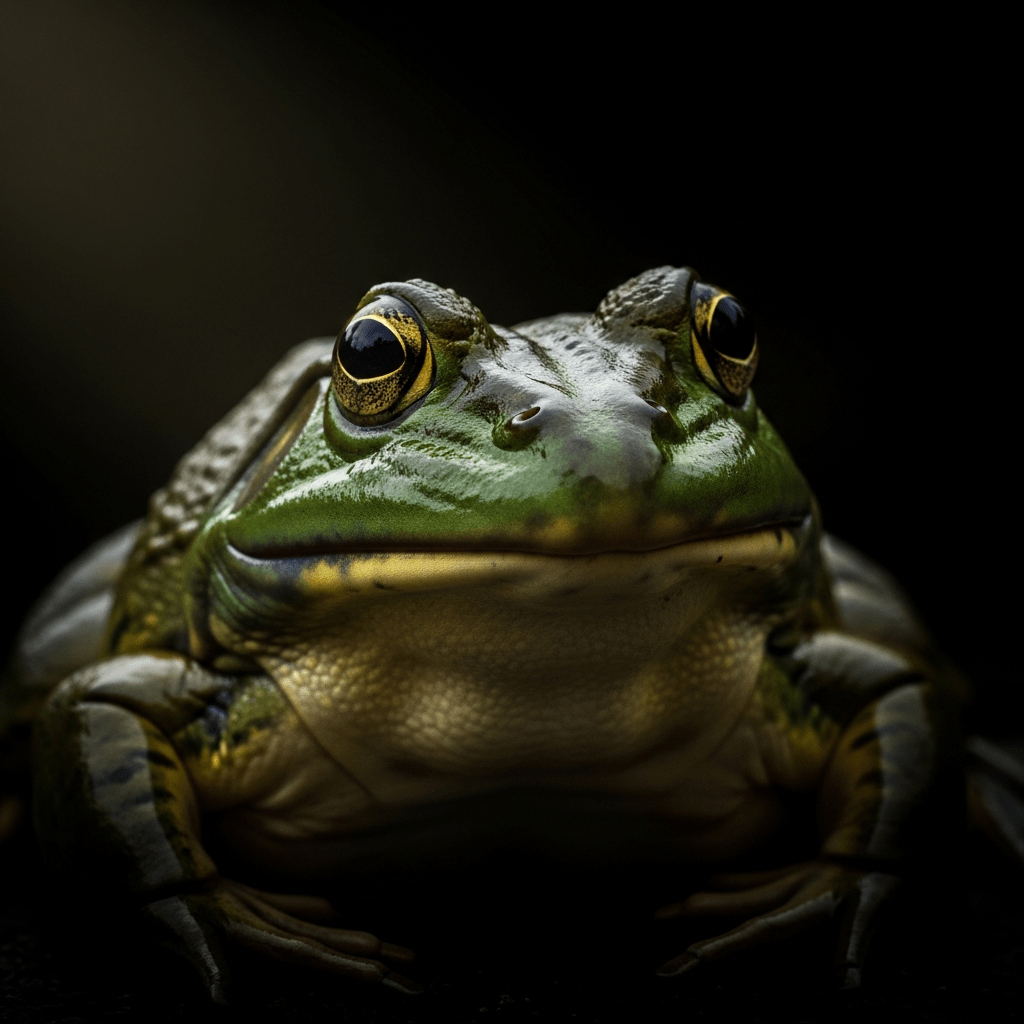
American Bullfrog
The American Bullfrog (Lithobates catesbeianus) is North America's largest native frog, famed for its deep, resonant call and remarkable adaptability to aquatic habitats.
The American Bullfrog (Lithobates catesbeianus) is North America's largest native frog, famed for its deep, resonant call and remarkable adaptability to aquatic habitats.
First described by Samuel Stehman Haldeman in 1842, the American Bullfrog originated in the eastern regions of North America. Its natural range extends from the Atlantic coast through the Mississippi Valley, thriving in diverse wetland environments. Over time, human activity has led to its introduction across western North America, South America, Europe, and Asia, making it a global presence both as a native and invasive species.
The American Bullfrog belongs to the class Amphibia, order Anura (frogs and toads), and family Ranidae, commonly known as the "true frogs." Within this family, it is classified in the genus Lithobates, species catesbeianus. Its former scientific name, Rana catesbeiana, is still recognized in historical contexts. This placement highlights its evolutionary ties to other large, aquatic frogs and its distinction as a robust representative of North American amphibians.
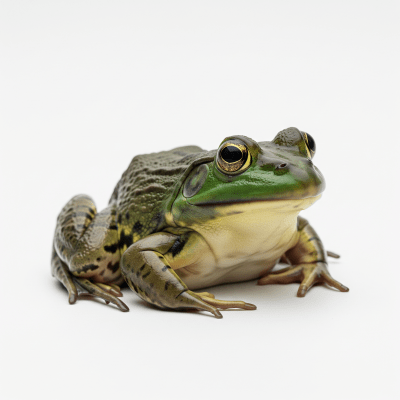
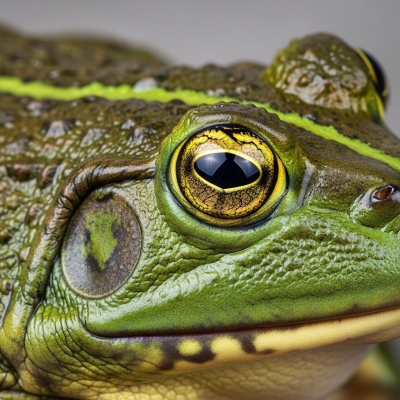
The American Bullfrog is instantly recognizable by its impressive size—adults typically measure 9–15 cm in snout-vent length, with some individuals exceeding 20 cm. Its skin ranges from green to olive, often with a lighter, creamy underside. Juveniles may show more mottled patterns. A prominent external eardrum (tympanum) is visible on each side of the head, and males display larger tympana than females. The bullfrog's muscular legs and broad mouth contribute to its powerful, predatory presence in the water.
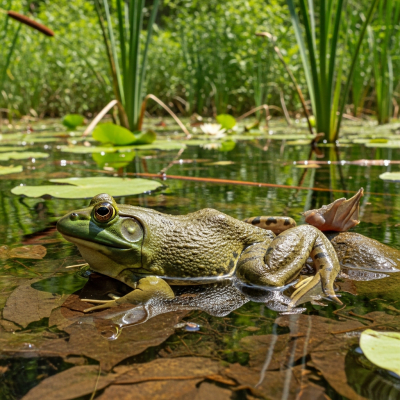
Highly aquatic in nature, American Bullfrogs favor permanent water bodies such as lakes, ponds, and slow-moving rivers. Their deep, booming calls are most often heard during breeding season, echoing across wetlands. As opportunistic predators, bullfrogs consume a wide variety of prey, including insects, small mammals, birds, reptiles, and even other amphibians. Their adaptability enables them to thrive in both natural and human-altered environments, sometimes to the detriment of native species.
Bring this kind into your world � illustrated posters, mugs, and shirts.
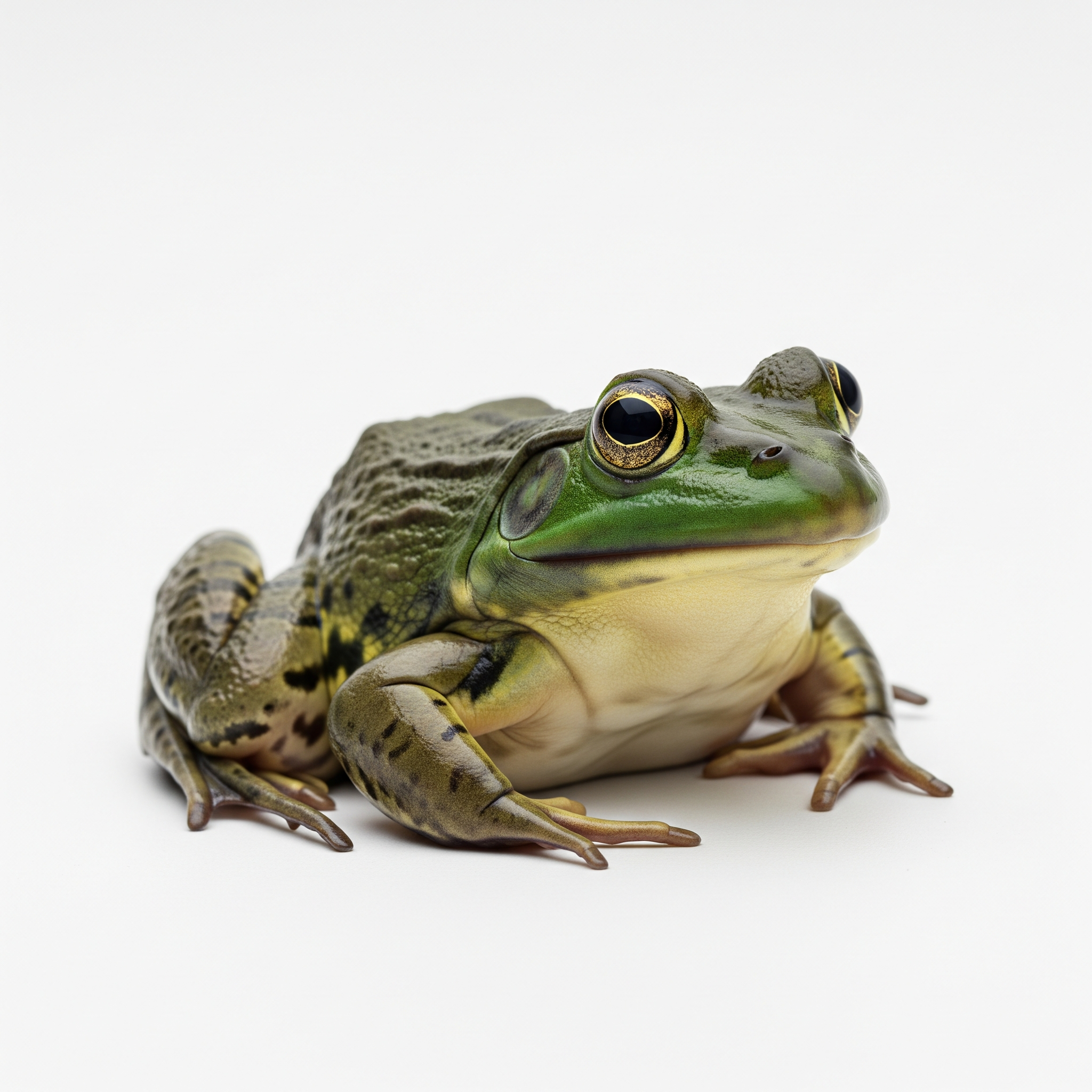
Archival print, museum-grade paper
Buy Poster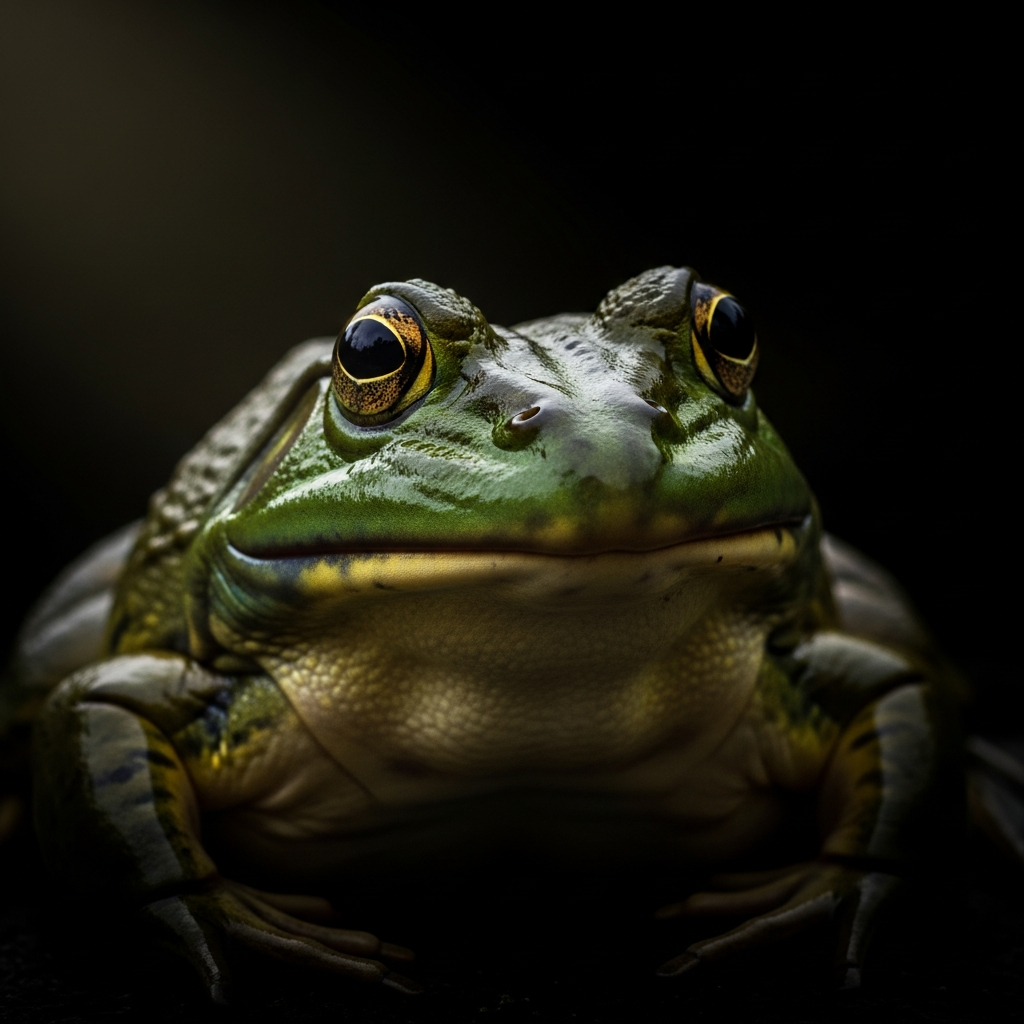
Stoneware mug, dishwasher safe
Buy Mug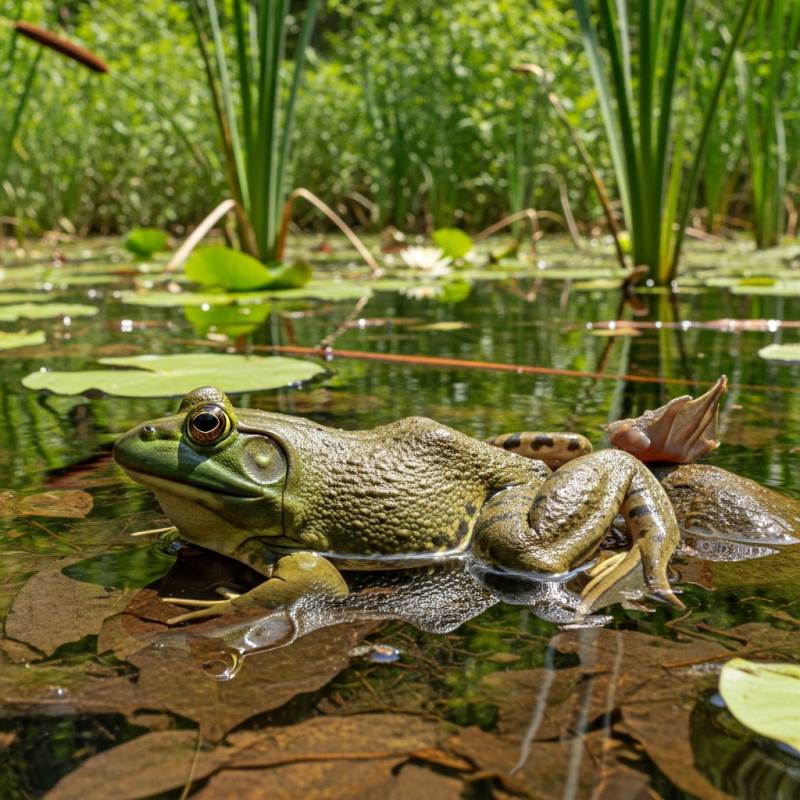
Soft cotton tee, unisex sizes
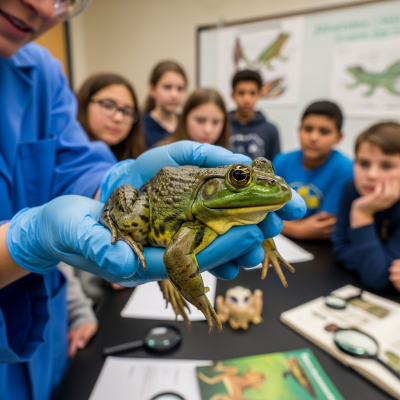
Buy ShirtThe American Bullfrog holds a unique place in North American culture, often symbolizing the sounds of summer wetlands. Its legs are considered a delicacy in southern U.S. cuisine and in international markets such as France and China. The bullfrog's distinctive call is featured in folklore and nature documentaries, and its presence in educational settings makes it a familiar ambassador for amphibian biology. In some regions, the bullfrog is simply referred to as "frog" due to its abundance and prominence.
American Bullfrogs are highly aquatic, preferring permanent water bodies such as lakes, ponds, and slow-moving rivers. Their native range covers eastern North America, but they have been widely introduced to western North America, South America, Europe, and Asia. In these new regions, their adaptability allows them to colonize a variety of freshwater habitats, sometimes outcompeting local amphibians.
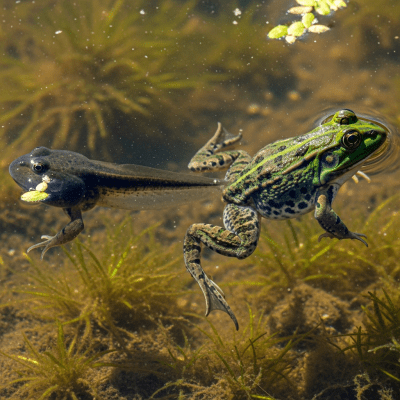
The bullfrog's life cycle begins with eggs laid in large masses on the surface of water. The larval (tadpole) stage is notably lengthy, lasting up to two years depending on climate and environmental conditions. Tadpoles undergo metamorphosis, gradually developing legs and absorbing their tails before emerging as juvenile frogs. Bullfrogs have a high reproductive capacity, with females producing thousands of eggs per season, contributing to their success both as natives and invaders.
American Bullfrogs are opportunistic and voracious predators. Their diet includes insects, spiders, small mammals, birds, reptiles, fish, and other amphibians. They hunt by ambush, using their powerful legs to leap at prey and their broad mouths to consume animals nearly as large as themselves. This varied diet supports their growth and adaptability in diverse environments.
As top predators in many aquatic ecosystems, American Bullfrogs influence food webs by preying on a wide range of species. In their native habitats, they help regulate populations of insects and small vertebrates. However, in regions where they are introduced, bullfrogs often disrupt local ecosystems by competing with and preying on native amphibians, reptiles, and fish, sometimes leading to declines in biodiversity.
The American Bullfrog is not considered threatened in its native range and is classified as "Least Concern" by major conservation authorities. Its wide distribution and adaptability contribute to robust populations. However, local declines may occur due to habitat loss, disease (such as chytridiomycosis), and environmental changes. Conservation efforts focus more on managing its impact as an invasive species than on its protection.
Bullfrogs are highly resilient, tolerating a range of environmental conditions and disturbances. Their adaptability and reproductive success enable them to thrive in both pristine and altered habitats. Despite this, they are susceptible to chytridiomycosis—a fungal disease affecting amphibians worldwide—and habitat loss due to wetland drainage. Their ability to colonize new areas and withstand environmental stressors makes them both a conservation concern and a model of amphibian resilience.
Humans interact with American Bullfrogs in several ways: they are harvested for their edible legs, featured in culinary traditions, sold in the pet trade, and used in educational and research settings. While valued as a food source and biological model, their introduction to non-native regions has raised ecological concerns, prompting regulations and management efforts to limit their spread and mitigate impacts on local wildlife.
American Bullfrogs are considered invasive in western North America, South America, Europe, and Asia. Their introduction has led to ecological challenges, as they compete with and prey upon native species, sometimes causing significant declines in local amphibian populations. Regulatory measures in affected regions aim to control their spread and reduce their impact on biodiversity.